Tennis is one of the world’s most popular sports, enjoyed by millions of people both professionally and recreationally. It is a game of skill, speed, strength, concentration and strategy. Players use rackets to hit a ball over a net, trying to make it difficult for their opponents to return the shot.
Tennis may look simple when watching a match, but it has its own scoring system, rules, court surfaces and special terminology. Understanding these basics makes the game much more enjoyable, whether you are watching a Grand Slam tournament or playing tennis for the first time.
Here is a guide to the most important things to know about tennis, including its history, how it is played, scoring rules, court types, equipment and common terms.
1. A Brief History of Tennis
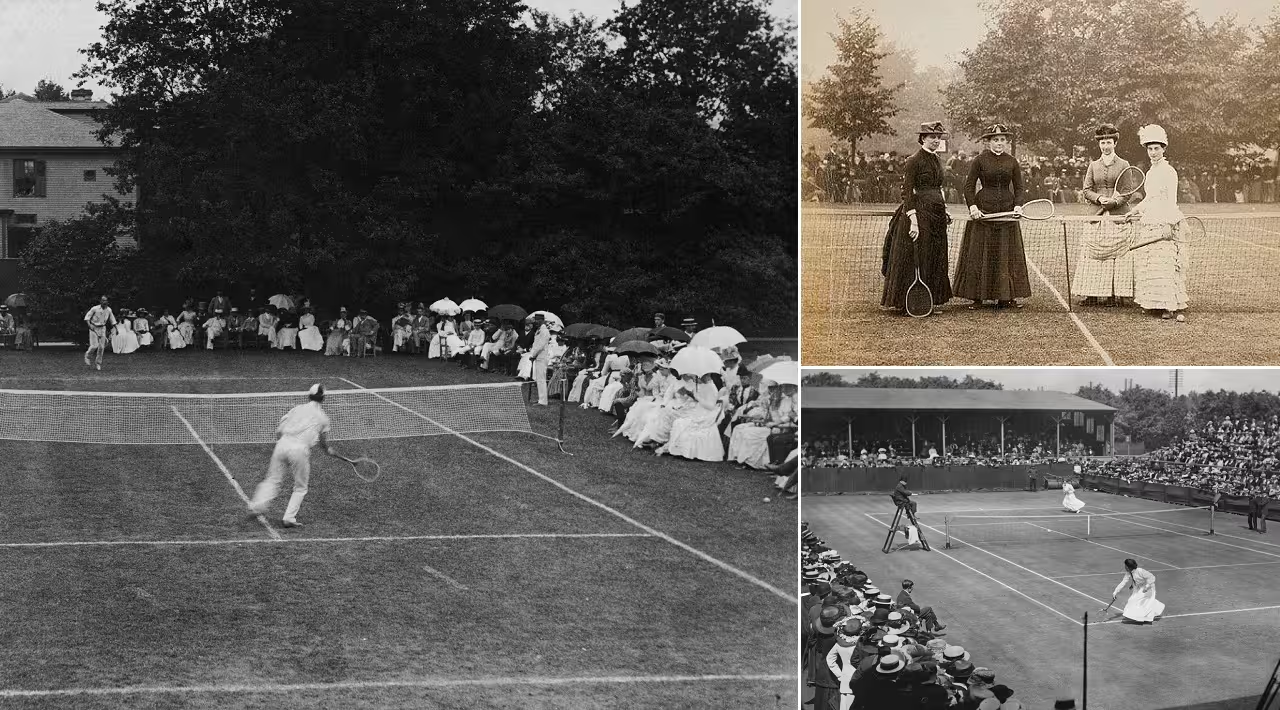
The origins of tennis can be traced back to a game played in France during the Middle Ages. Known as jeu de paume, meaning “game of the palm”, it was originally played by hitting a ball with the hand. Players later began using gloves and wooden bats before the development of rackets.
Modern lawn tennis developed in England during the 19th century. Major Walter Clopton Wingfield is widely associated with introducing and commercialising an early version of lawn tennis in 1874. The game gradually developed into the sport played today.
Some important milestones in tennis history include:
- 1877: The first Wimbledon Championships were held in London.
- 1881: The United States National Championships, now known as the US Open, began.
- 1891: The French national tennis championships began, eventually developing into the French Open.
- 1905: The Australasian Championships, which later became the Australian Open, were first held.
- 1968: The Open Era began, allowing professional players to compete alongside amateurs in major tournaments.
- 1988: Tennis returned as a full Olympic medal sport at the Seoul Olympic Games.
Today, tennis is played worldwide, with professional competitions organised mainly under the Association of Tennis Professionals (ATP) and the Women’s Tennis Association (WTA).
2. How Is Tennis Played?
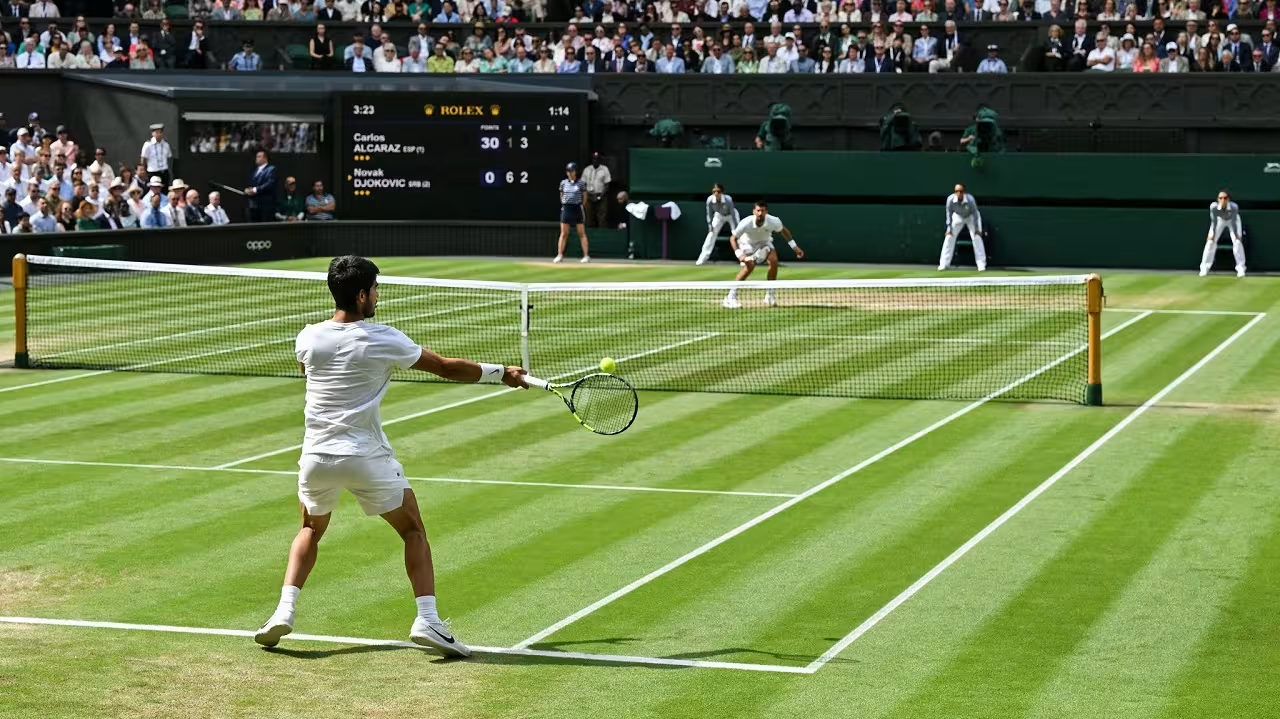
Tennis is played between two players in a singles match or four players in a doubles match. A net divides the court into two halves.
The main objective is to hit the ball over the net and into the opponent’s court. The opponent must return the ball before it bounces twice. A player wins a point when the opponent fails to return the ball correctly, hits it out of bounds or commits a fault.
A tennis match usually consists of sets, and each set consists of games. Players compete to win enough games and sets to win the match.
3. Types of Tennis Matches
There are three main match formats in tennis.
Singles
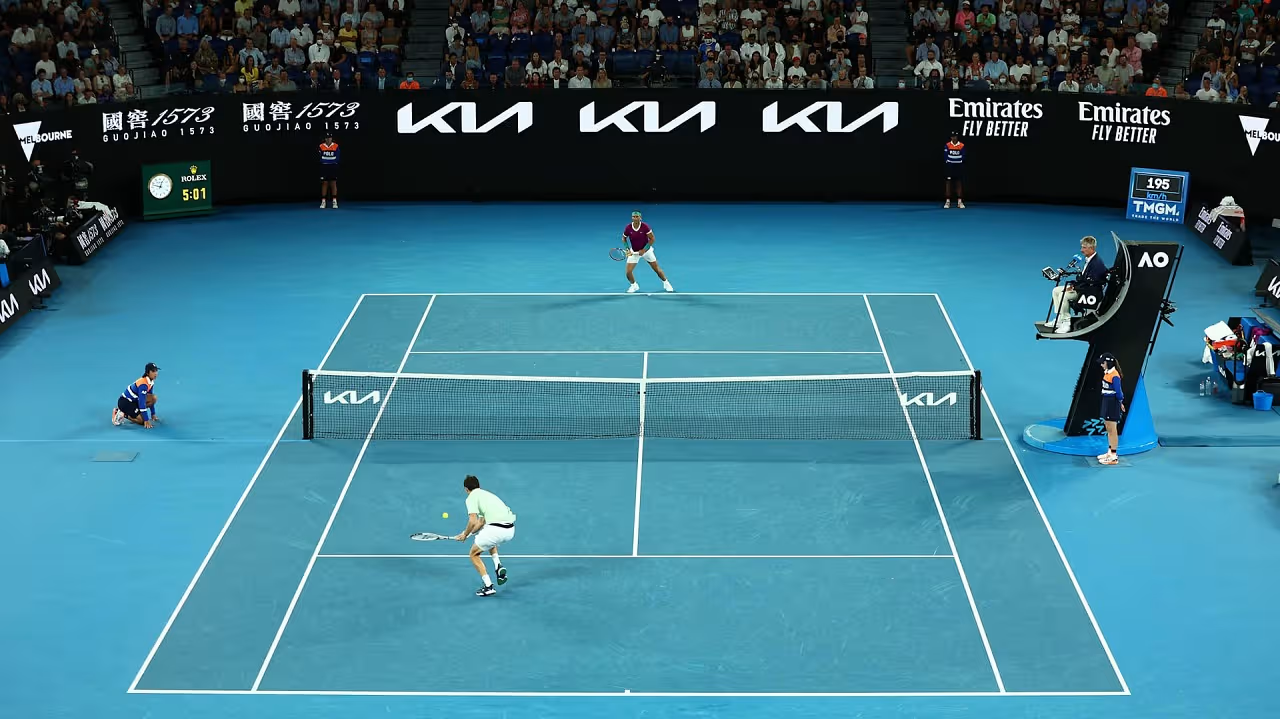
Singles is played between two players, one on each side of the net. Each player competes individually, and the singles court is narrower than the doubles court.
Doubles
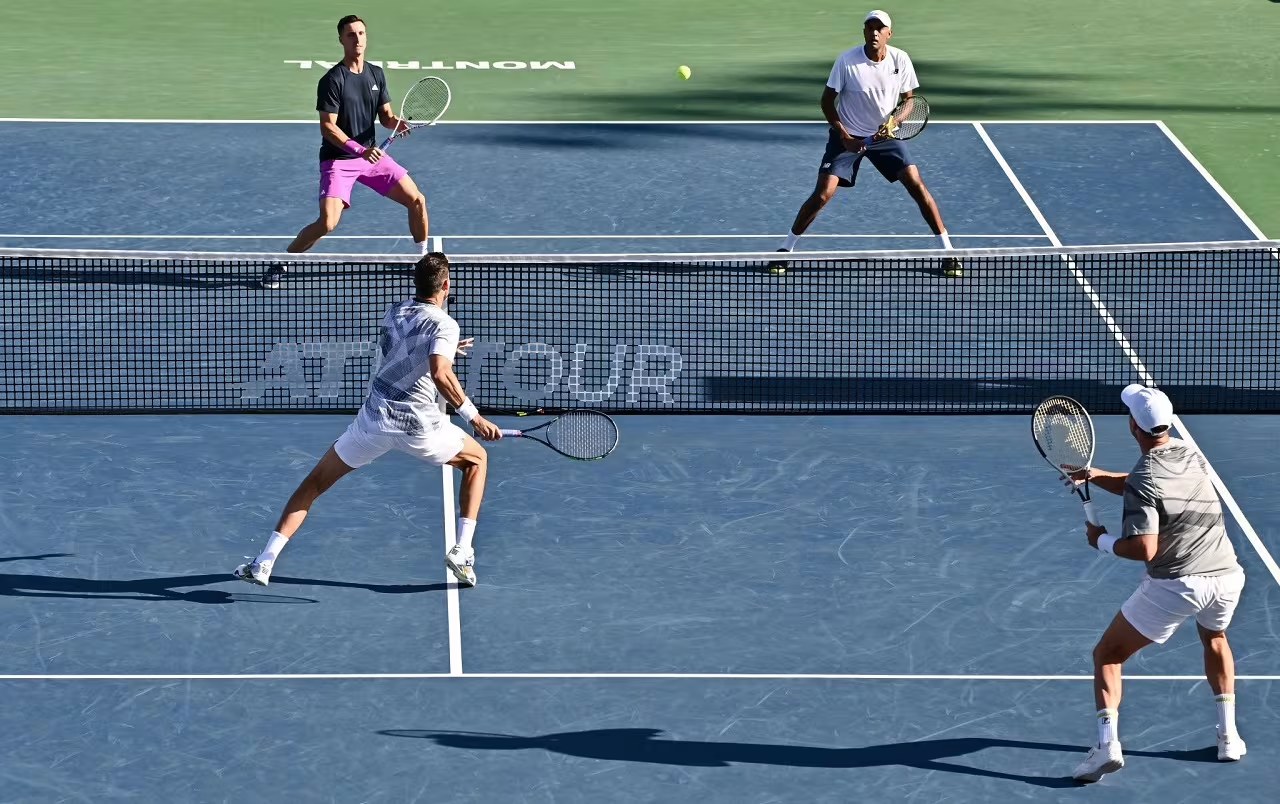
Doubles is played between two teams, with two players on each side. The wider court is used, and teammates work together to win points.
Mixed Doubles
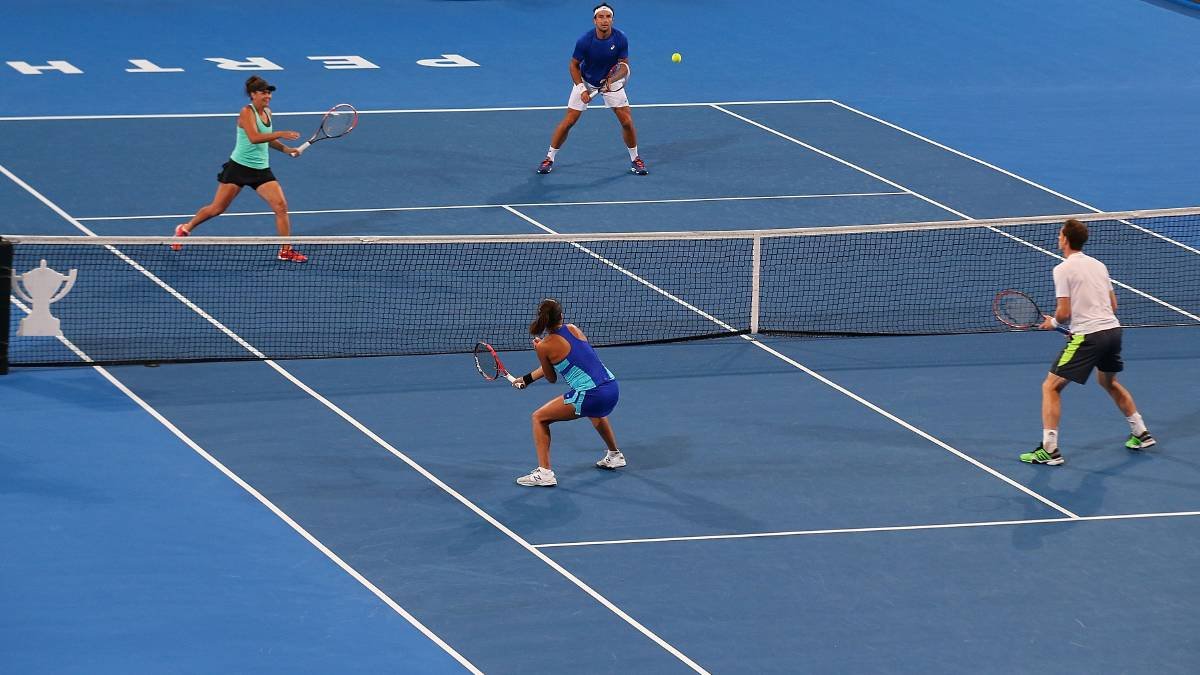
Mixed doubles is similar to regular doubles, but each team consists of one male and one female player.
4. Understanding a Tennis Court
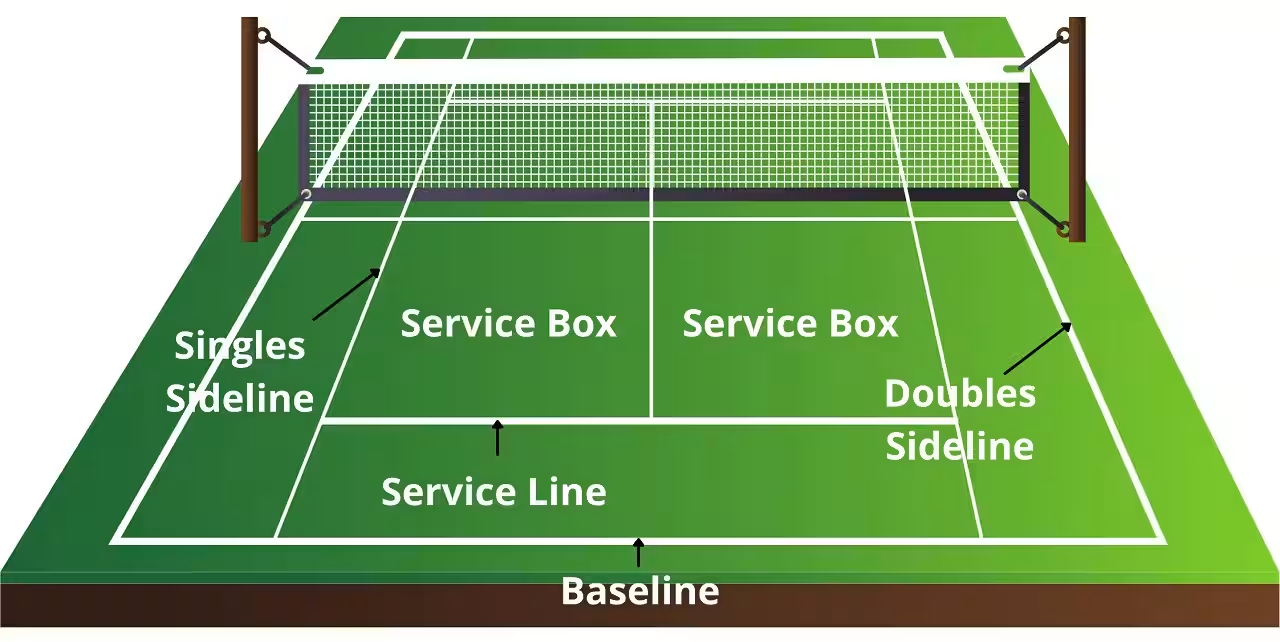
A standard tennis court is rectangular and divided into two equal halves by a net. Its main measurements are:
| Court measurement | Size |
|---|---|
| Length | 23.77 metres |
| Singles width | 8.23 metres |
| Doubles width | 10.97 metres |
| Net height at the centre | 0.914 metres |
| Net height at the posts | 1.07 metres |
The court contains several important lines and areas:
- Baseline: The line at the back of each side of the court.
- Sidelines: The lines marking the sides of the court.
- Singles sidelines: The inner sidelines used in singles matches.
- Doubles sidelines: The outer sidelines used in doubles matches.
- Service line: The line marking the back of each service box.
- Centre service line: The line dividing the two service boxes.
- Centre mark: A small mark in the middle of each baseline.
The service boxes are the two smaller rectangular areas near the net. A serve must land in the diagonally opposite service box to be valid.
5. The Three Main Types of Tennis Court Surfaces
Tennis is played on different surfaces, and each one affects the speed of the ball, its bounce and the way players move. The three main surfaces are grass, clay and hard courts.
Grass Courts
Grass courts are usually fast. The ball tends to bounce lower, giving players less time to react. Wimbledon is the most famous grass-court tournament.
Clay Courts
Clay courts are generally slower and produce a higher bounce. Longer rallies are common, and players often slide while reaching the ball. The French Open is played on clay.
Hard Courts
Hard courts are made from materials such as concrete or asphalt with an acrylic surface. Their speed and bounce can vary, but they generally provide a more consistent bounce. The Australian Open and US Open use hard courts.
6. How Tennis Scoring Works
Tennis has a unique scoring system. Unlike many other sports, points are not counted as 1, 2, 3 and 4. Instead, the traditional scoring system uses the terms love, 15, 30 and 40.
There are four levels of scoring:
- Points make a game.
- Games make a set.
- Sets decide the match.
Understanding Points in Tennis
| Points won | Tennis score |
|---|---|
| 0 | Love |
| 1 | 15 |
| 2 | 30 |
| 3 | 40 |
| 4 | Game (if the player has a two-point lead) |
For example, if a player wins the first point, the score becomes 15-love. If the opponent wins the next point, the score becomes 15-all.
What Is Deuce?
When both players reach 40-40, the score is called deuce.
A player must win two consecutive points from deuce to win the game.
- If a player wins the first point after deuce, they get an advantage.
- If they win the next point as well, they win the game.
- If their opponent wins the next point, the score returns to deuce.
This process continues until one player wins two consecutive points.
What Is Advantage?
Advantage is the name given to the point won immediately after deuce.
There are two common terms:
- Ad-In: The server has the advantage.
- Ad-Out: The receiver has the advantage.
How Does a Player Win a Set?
A player usually needs to win six games to win a set, but they must have a lead of at least two games.
For example:
| Set score | Result |
|---|---|
| 6-0 | Set won |
| 6-2 | Set won |
| 6-4 | Set won |
| 6-5 | Set not finished |
| 7-5 | Set won |
| 7-6 | Set won after a tie-break |
If the score reaches 6-6, a tie-break is normally played.
What Is a Tie-Break?
A tie-break is a special game used to decide a set when both players reach six games.
In a standard seven-point tie-break, the first player to reach at least seven points with a two-point advantage wins.
For example:
- 7-3: Tie-break won.
- 7-5: Tie-break won.
- 7-6: Tie-break continues because the player does not have a two-point lead.
- 8-6: Tie-break won.
The set score is recorded as 7-6.
How Many Sets Are Played in a Tennis Match?
Most professional matches are played as best of three sets. This means a player must win two sets to win the match.
Some men’s Grand Slam singles matches are played as best of five sets. In this format, a player must win three sets.
The four Grand Slam tournaments use a 10-point tie-break at 6-6 in the deciding set. The first player to reach 10 points with a two-point lead wins the match tie-break.
7. Basic Rules of Tennis
Although tennis has many detailed rules, the following are the most important ones to understand when watching or playing a match.
Rule 1: The Ball Must Land Inside the Court
A player must hit the ball over the net and into the opponent’s court. If the ball lands outside the boundary lines, the player who hit it loses the point.
Rule 2: The Ball Can Bounce Only Once
A player must return the ball before it bounces twice on their side of the court. They can also hit it before it touches the ground. In wheelchair tennis, players are allowed two bounces.
Rule 3: Players Must Serve Diagonally
A serve must land in the service box diagonally opposite the server. The first serve is made from the right side of the baseline, and the next serve from the left. Players continue alternating sides after each point.
Rule 4: Players Get Two Serving Attempts
A player has two chances to make a successful serve.
If the first serve goes out or into the net without landing in the correct service box, it is called a fault. The player gets another attempt.
If both attempts fail, it is called a double fault, and the opponent wins the point.
Rule 5: Players Cannot Touch the Net
A player loses the point if they touch the net with their body, racket or clothing while the ball is in play.
Rule 6: The Ball Touching the Line Is In
If any part of the ball touches a boundary line, the shot is considered inside the court. Even a small part of the ball touching the line makes it a valid shot.
Rule 7: Players Must Serve from Behind the Baseline
When serving, a player’s feet must not touch the baseline or the court inside it before the ball is struck. Breaking this rule is called a foot fault.
Rule 8: Players Cannot Hit the Ball Twice Deliberately
A player cannot deliberately hit the ball twice in succession. However, if the racket accidentally makes multiple contacts during one continuous swing, it may still be considered a valid shot under the rules.
Rule 9: Players Change Ends During the Match
Players switch sides of the court after the first game and then after every two games. They also change ends at the end of each set unless the set ends with an even number of games, in which case they change ends at the start of the next set according to the rules.
8. What Is a Serve in Tennis?
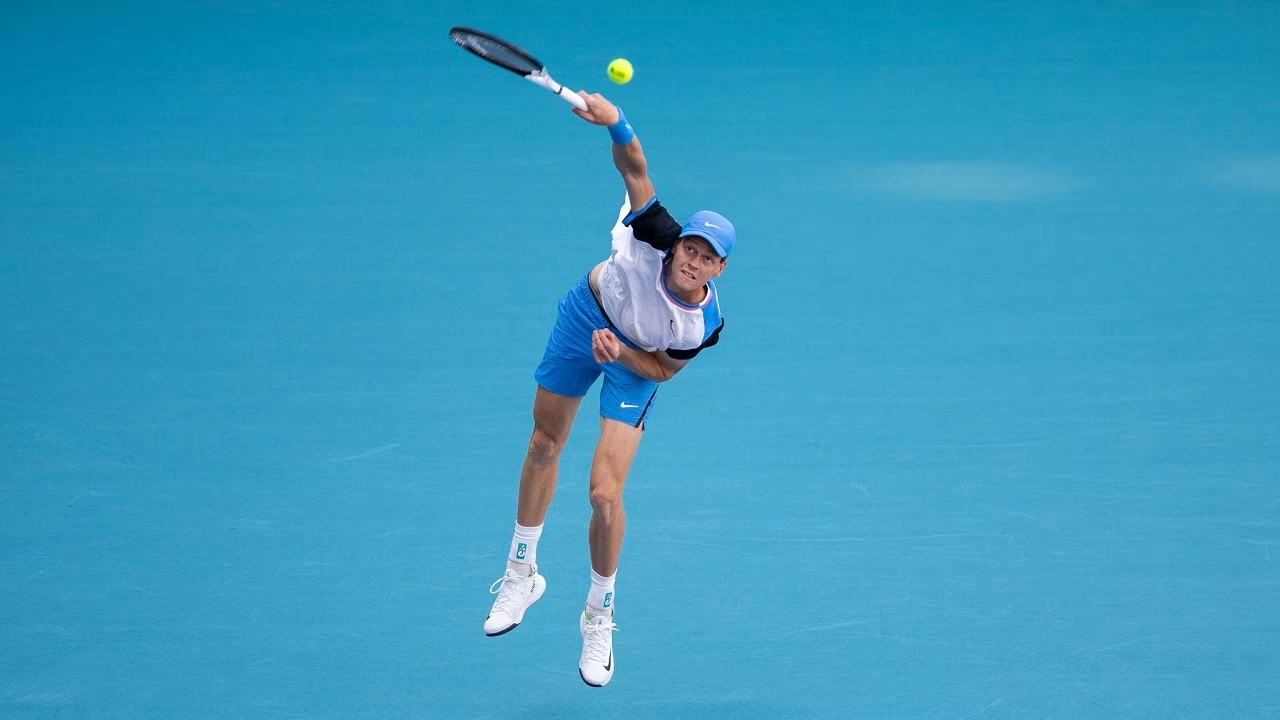
A serve is the shot that starts every point in tennis. The serving player stands behind the baseline and hits the ball diagonally into the opponent’s service box.
A good serve can give a player a major advantage because it allows them to control the beginning of the point.
There are several types of serves:
- Flat Serve: A powerful serve with relatively little spin. It is often used to achieve high speed.
- Slice Serve: A serve with sidespin that makes the ball move sideways after bouncing.
- Kick Serve: A serve with topspin and sidespin that produces a high bounce.
- Underarm Serve: A serve hit from below the waist or with an underarm motion. It is legal if performed according to the serving rules.
A player usually tries to make the first serve powerful and difficult to return. The second serve is often played with more margin for error because another fault would result in a double fault.
9. Common Tennis Shots
Professional tennis players use different shots depending on their position, the opponent’s movement and the situation during a rally.
Forehand
A shot played from the side of the player’s dominant hand. It is one of the most common and powerful shots in tennis.
Backhand
A shot played across the body, usually with one or both hands holding the racket.
Volley
A shot played before the ball bounces. Players commonly use volleys when they move close to the net.
Smash
A powerful overhead shot, usually played when the opponent sends the ball high into the air.
Drop Shot
A soft shot that barely crosses the net and lands close to it, forcing the opponent to run forward.
Lob
A high shot that travels over an opponent who is positioned near the net.
Passing Shot
A shot played past an opponent who is positioned close to the net.
Slice
A shot hit with backspin, usually causing the ball to stay low after bouncing.
10. Important Tennis Terminology
Tennis commentators often use special words and expressions during matches. Knowing these terms makes it easier to follow professional tennis.
| Term | Meaning |
|---|---|
| Ace | A legal serve that the opponent cannot touch with their racket. |
| Fault | An unsuccessful serve that does not land correctly. |
| Double Fault | Two consecutive serving faults, resulting in the loss of a point. |
| Let | A serve that touches the net but lands in the correct service box; it is replayed. |
| Rally | A series of shots exchanged between players. |
| Break Point | A point that could allow the receiver to win the server’s game. |
| Game Point | A point that could win the current game. |
| Set Point | A point that could win the current set. |
| Match Point | A point that could win the entire match. |
| Break of Serve | Winning a game when the opponent is serving. |
| Hold of Serve | Winning a game while serving. |
| Love | Zero points. |
| Deuce | A score of 40-40. |
| Advantage | The point won immediately after deuce. |
| Unforced Error | A mistake made without being forced into it by the opponent’s shot. |
| Forced Error | A mistake caused by the opponent’s difficult or aggressive shot. |
| Winner | A successful shot that the opponent cannot return. |
| Cross-Court | A shot hit diagonally across the court. |
| Down the Line | A shot hit straight along the side of the court. |
| Baseline | The back boundary line of the court. |
| Net Play | Playing close to the net, often using volleys. |
| Seed | A player given a ranking position in a tournament draw. |
| Wild Card | A player given entry into a tournament without qualifying through the usual ranking or qualifying route. |
| Qualifier | A player who earns a place in the main draw by winning qualifying matches. |
| Walkover | A player advances because their opponent withdraws before the match begins. |
| Retirement | A player stops playing during a match, usually because of injury or illness. |
| Tiebreak | A special scoring game used to decide a set. |
11. What Are the Four Grand Slam Tennis Tournaments?
The four Grand Slam tournaments are the most prestigious events in professional tennis. They attract the world’s best players and award major ranking points and prize money.
| Tournament | Location | Usual surface | Time of year |
|---|---|---|---|
| Australian Open | Melbourne, Australia | Hard | January |
| French Open | Paris, France | Clay | May–June |
| Wimbledon | London, England | Grass | June–July |
| US Open | New York, USA | Hard | August–September |
Winning all four Grand Slam tournaments in the same calendar year is known as a Calendar-Year Grand Slam.
Winning all four at some point during a player’s career is known as a Career Grand Slam.
A player who wins all four major tournaments consecutively, but across two calendar years, achieves what is commonly called a Non-calendar-year Grand Slam.
12. How Do Tennis Rankings Work?
Professional tennis players compete in tournaments throughout the year to earn ranking points. The points they collect determine their position in the world rankings.
The two main professional organisations are:
- ATP (Association of Tennis Professionals): Organises the men’s professional tour and rankings.
- WTA (Women’s Tennis Association): Organises the women’s professional tour and rankings. Check out current female tennis players’ rankings.
Players earn different numbers of points depending on the tournament category and how far they progress.
For example, winning a Grand Slam tournament earns significantly more ranking points than winning a smaller event. Players generally need consistent results across tournaments to maintain a high ranking.
The rankings are updated regularly, and a player’s position can change as older results drop out of the ranking calculation and new results are added.
13. What Is the Difference Between ATP and WTA?
ATP and WTA are two separate organisations responsible for the main professional men’s and women’s tennis tours.
| ATP | WTA |
|---|---|
| Men’s professional tour | Women’s professional tour |
| ATP rankings | WTA rankings |
| ATP Tour tournaments | WTA Tour tournaments |
| ATP Finals | WTA Finals |
| Men’s Grand Slam singles | Women’s Grand Slam singles |
Both organisations have their own tournaments, rankings and season-ending championships. However, men and women compete in the same four Grand Slam tournaments, and both tours share many important events and tennis traditions.
14. What Equipment Is Used in Tennis?
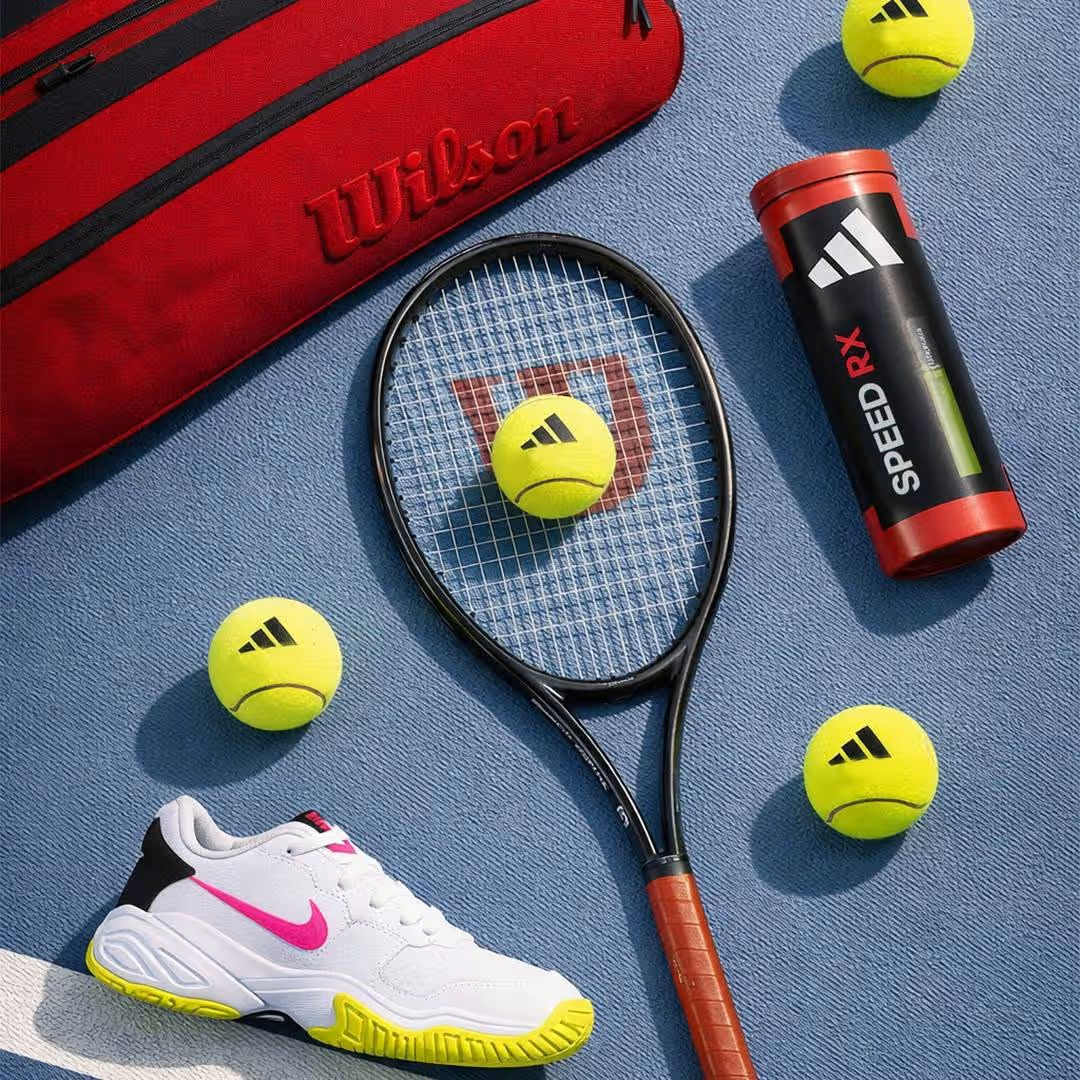
A player does not need a large amount of equipment to start playing tennis. The main items include:
- Tennis Racket: Used to hit the ball. Rackets come in different sizes, weights and designs.
- Tennis Ball: A lightweight ball covered with felt, usually yellow for professional matches.
- Tennis Shoes: Special shoes designed to provide grip, support and stability on different court surfaces.
- Sports Clothing: Comfortable shirts, shorts, skirts or dresses that allow players to move freely.
- Wristbands and Headbands: Used to absorb sweat during matches.
- Tennis Bag: Used to carry rackets, balls, shoes and other accessories.
15. Famous Tennis Players
Tennis has produced many legendary players who have influenced the sport and attracted millions of fans.
Roger Federer
One of the most successful men’s players in tennis history, Federer won 20 Grand Slam singles titles and was famous for his elegant playing style.
Rafael Nadal
Known as the King of Clay, Nadal won 22 Grand Slam singles titles, including a record 14 French Open men’s singles titles.
Novak Djokovic
One of the greatest men’s players, Djokovic has won 24 Grand Slam singles titles and has held the world No. 1 ranking for a record number of weeks.
Serena Williams
A dominant figure in women’s tennis, Serena won 23 Grand Slam singles titles during her career.
Steffi Graf
Graf won 22 Grand Slam singles titles and achieved the Golden Slam in 1988 by winning all four majors and the Olympic gold medal in the same year.
Martina Navratilova
One of the most successful players in tennis history, she won 18 Grand Slam singles titles and was especially dominant on grass courts.
16. Why Is Tennis Considered a Difficult Sport?
Tennis requires much more than simply hitting a ball over a net. Players need to combine several physical and mental abilities.
- Physical fitness: Players need speed, stamina, strength, balance and flexibility to move around the court and maintain performance during long matches.
- Mental strength: A player must remain focused even after losing important points. One mistake can change the direction of a match.
- Strategy: Players study their opponents’ strengths and weaknesses. They may target the backhand, move an opponent around the court or use different spins and shot placements.
- Consistency: Hitting powerful shots is not enough. Players must also avoid unforced errors and keep the ball inside the court.
- Adaptability: Players must adjust their playing style according to court surfaces, weather conditions and their opponents.
Conclusion
Tennis is a fascinating sport with a long history, unique scoring system and a wide range of playing styles. From understanding the difference between singles and doubles to learning terms such as ace, deuce, break point and tie-break, knowing the basics makes watching tennis much easier.
Whether you are following the Australian Open, French Open, Wimbledon or US Open, these rules and terms will help you understand what is happening on the court and appreciate the skill and strategy behind every match.