
Test cricket is the longest and most traditional format of international cricket. Unlike limited-overs cricket, where teams have a fixed number of deliveries to score runs, Test cricket gives each side two innings and allows the game to develop over several days. A Test match can last up to five days, with batting technique, bowling skill, fitness, patience and tactical decision-making all playing an important role.
For newcomers, Test cricket can initially seem complicated. Terms such as declaration, follow-on, innings victory, lead, deficit and draw are common, while the scorecard contains information that may not be immediately obvious.
This complete guide explains how Test cricket works, from its basic rules and scoring system to batting, bowling, fielding, pitches, the cricket ball, technology and the terminology every new fan should understand.
What Is Test Cricket?
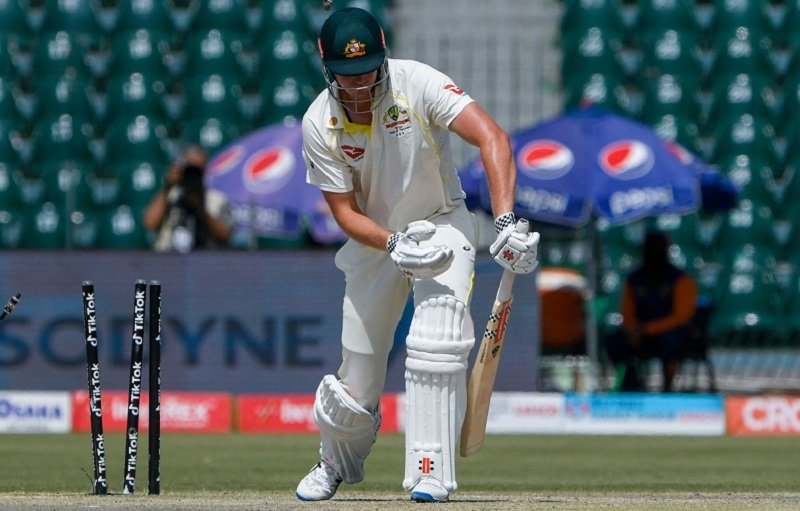
Test cricket is the longest format of international cricket. A standard Test match is played between two international teams, with each team normally having the opportunity to bat twice. Unlike One Day Internationals and T20 matches, there is no fixed number of overs that a team can face in an innings.
A Test match is scheduled for a maximum of five days, although many matches finish earlier. Teams can win by runs, wickets or an innings, while a match can also finish as a draw. In extremely rare circumstances, a Test can end in a tie.
The format places enormous importance on consistency and endurance. A batter may need to spend several hours at the crease, while bowlers may have to deliver long spells across multiple days. Captains also have to think beyond individual sessions and plan for the changing conditions of an entire match.
Why Is It Called “Test” Cricket?
The word “Test” reflects the idea that the format tests a cricketer’s abilities in many different ways. Players need technical skill, concentration, physical endurance and mental strength.
A batter who can score quickly in a T20 match may not necessarily be successful in Test cricket. In the same way, a bowler must be capable of maintaining accuracy and creating pressure over long periods rather than relying only on a few explosive deliveries.
Test cricket therefore examines whether players can adapt to changing conditions and continue performing over an extended period.
Test Cricket vs Other Formats
The biggest difference is the amount of time and opportunity available to each team. In Test cricket, each side can have two innings and there is no fixed maximum number of overs in an innings.
In an ODI, each team normally receives a maximum of 50 overs, while a T20 team receives 20 overs. These restrictions encourage progressively more aggressive batting. Test cricket, by comparison, allows teams to build innings gradually and rewards patience as well as attacking ability.
History of Test Cricket
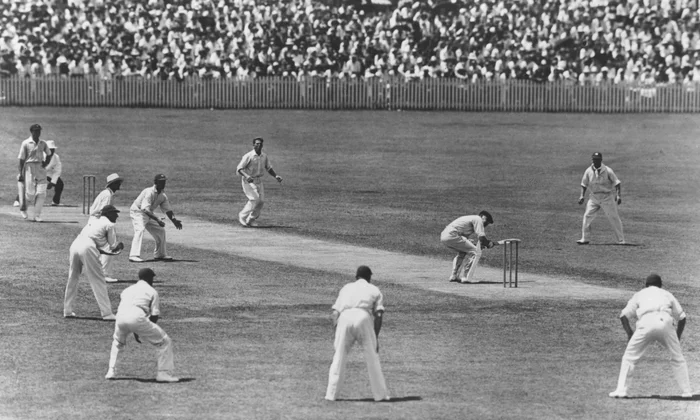
Test cricket has its roots in the early international matches played between England and Australia. These contests eventually developed into what is now recognized as Test cricket, creating one of the oldest traditions in international sport. Here you can find the full details of first internatinoal test cricket match.
The Origins of Test Cricket
International cricket began developing during the 19th century as cricket teams traveled between countries. England and Australia became the principal participants in early international cricket, and their matches established many of the traditions that remain important today.
The first match officially recognized as a Test was played between Australia and England at Melbourne in 1877. Australia won the match, which helped establish the foundations of international Test cricket.
Over time, more countries gained international status and began playing Test cricket. The format gradually developed from relatively informal early contests into a highly organized professional sport.
The Modern Era of Test Cricket
Modern Test cricket is very different from the game of the 19th century. Players are full-time professionals, matches are broadcast globally, and technology is heavily involved in decision-making.
Changes such as improved protective equipment, professional fitness programs, video analysis, the Decision Review System and day-night Tests have modernized the format while retaining its traditional structure.
How a Test Match Works
Understanding the basic structure makes Test cricket much easier to follow.
The Toss
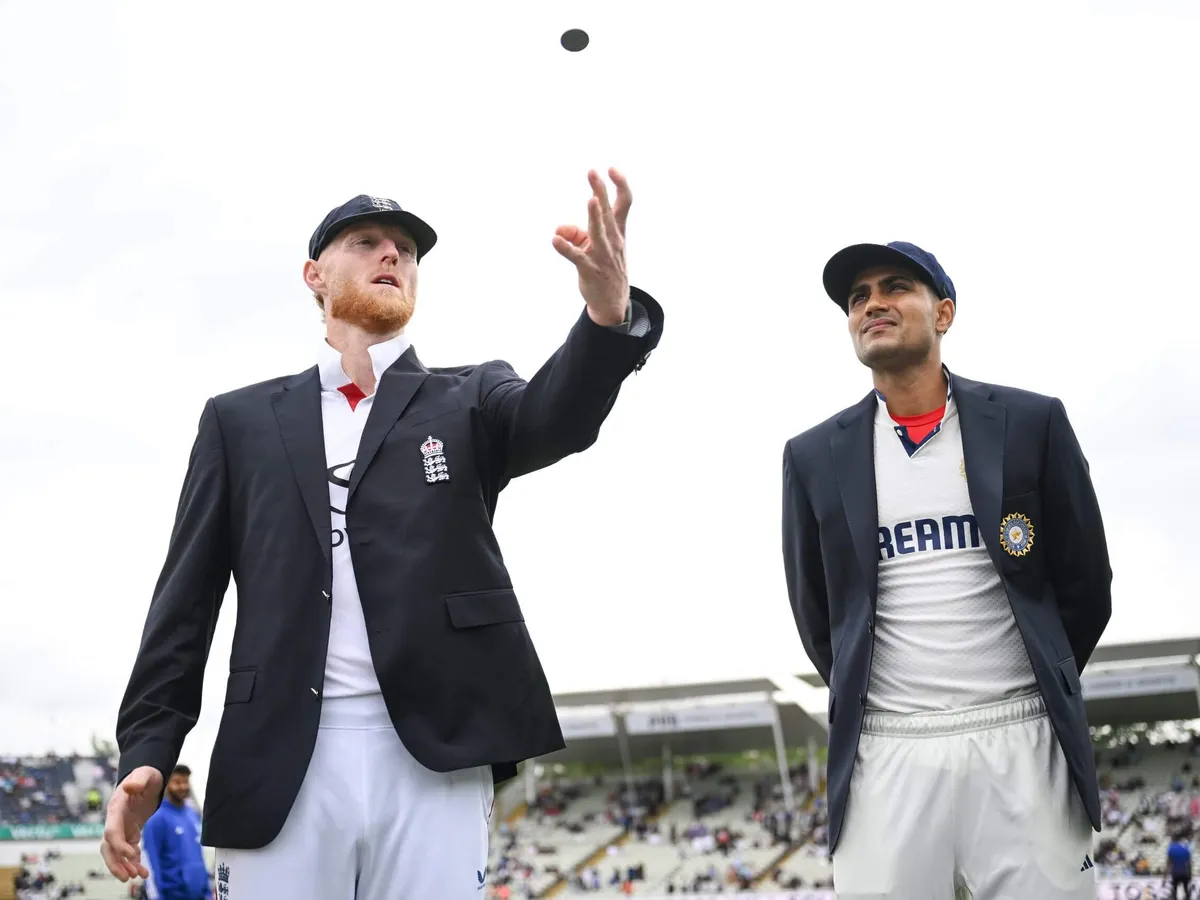
Before the match begins, the two captains meet with the match referee and an umpire for the toss. The winning captain chooses whether to bat or field first.
The decision can be influenced by the pitch, weather, expected movement of the ball and the team’s strengths. A captain may choose to bat first if the pitch is expected to be easiest for batting early in the match.
Two Innings Per Team
Each team normally has two innings. For example, Team A may bat first and score 400 runs. Team B then bats and scores 300.
Team A subsequently bats again and sets another target. Team B then has its second innings and attempts to reach the required score.
This structure creates tactical possibilities that do not exist in limited-overs cricket. Teams must consider not only their current score but also the opposition’s score, the remaining time and the condition of the pitch.
The Five-Day Structure
A Test match is scheduled over a maximum of five days. Each day is divided into playing sessions, traditionally separated by lunch and tea intervals.
The actual amount of cricket played can be affected by rain, bad light, injuries and other interruptions. Match officials may sometimes add playing time when conditions allow in an attempt to recover lost overs.
A match does not have to use all five days. If one team wins before the scheduled final day, the match ends immediately.
Can a Test Match End Before Five Days?
Yes. A Test can finish at any point if the result becomes certain.
For example, if a team successfully dismisses the opposition twice and has scored enough runs to win, the match ends. A team can also win by reaching the required target during its fourth innings.
If neither side can achieve victory within the available playing time, the match ends in a draw.
Test Cricket Rules Explained
Test cricket follows the Laws of Cricket, with international playing conditions providing additional regulations for international matches.
Number of Players
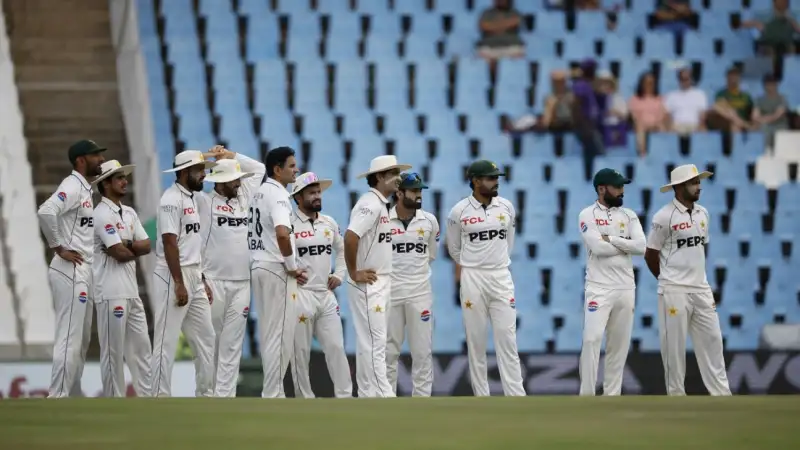
Each team normally has 11 players on the field. A squad can contain additional players who may act as substitutes under the applicable rules.
A substitute can field for an injured or otherwise unavailable player in certain circumstances, but substitute fielders generally cannot simply replace another player as a batter or bowler whenever a captain wishes.
Overs and Deliveries
An over consists of six legal deliveries. Once the bowler completes an over, another bowler delivers the next over from the opposite end.
Unlike limited-overs cricket, Test cricket does not impose a fixed maximum number of overs for each batting innings. This gives teams the opportunity to bat for a very long time.
How a Batter Gets Out

There are several recognized ways a batter can be dismissed. The most common include being bowled, caught, given out leg before wicket (LBW), run out or stumped.
A batter can also be dismissed through less common methods such as hit wicket, obstructing the field, hitting the ball twice in certain circumstances, or being timed out.
Understanding these dismissals is essential for anyone learning the game because a Test innings can change dramatically when wickets fall in clusters.
No-Balls and Wides
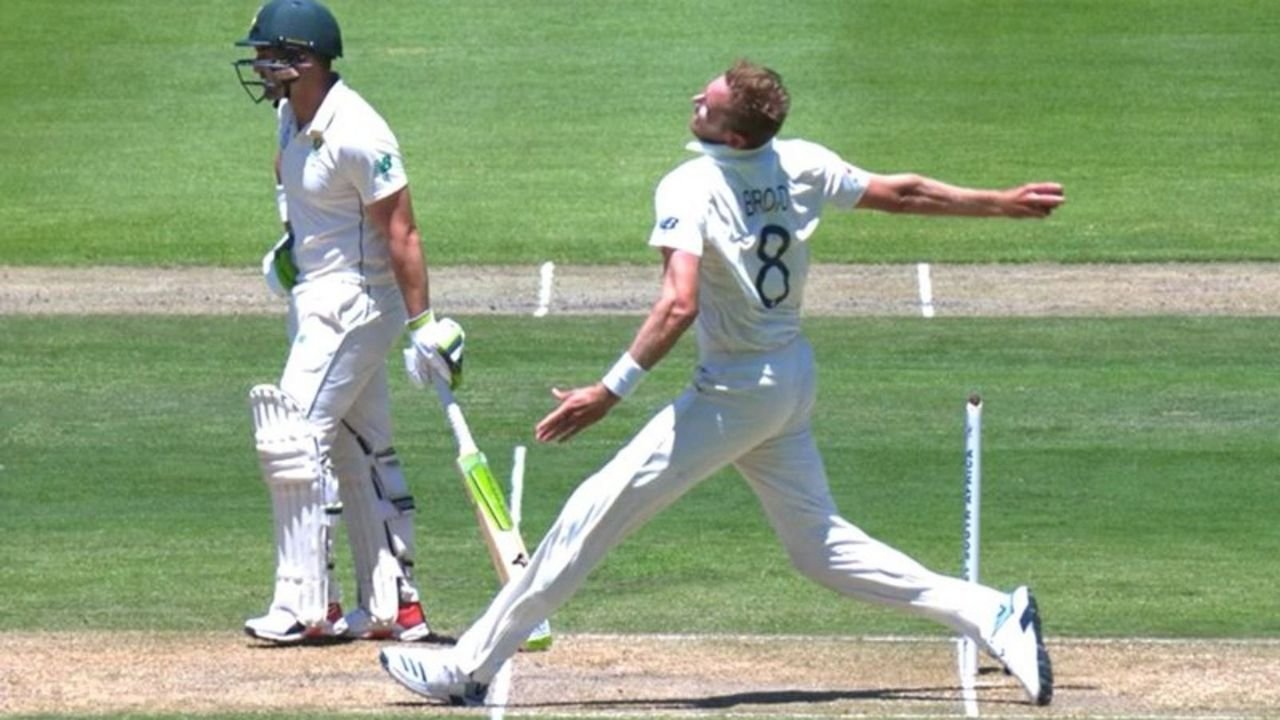
A wide is a delivery that is outside the batter’s reasonable reach and does not count as one of the six legal balls in the over.
A no-ball is called when the bowler breaks one of the rules governing a legal delivery, such as overstepping the bowling crease. The exact consequences can vary according to the circumstances and playing conditions.
Both wides and no-balls give the batting team an additional run and generally require another delivery.
Boundary Scoring
A batter scores four runs when the ball reaches the boundary after touching the ground, provided the applicable boundary-scoring conditions are satisfied.
A six is scored when the batter hits the ball over the boundary without it touching the ground within the field of play.
Batters can also score runs by running between the wickets.
How Scoring Works in Test Cricket
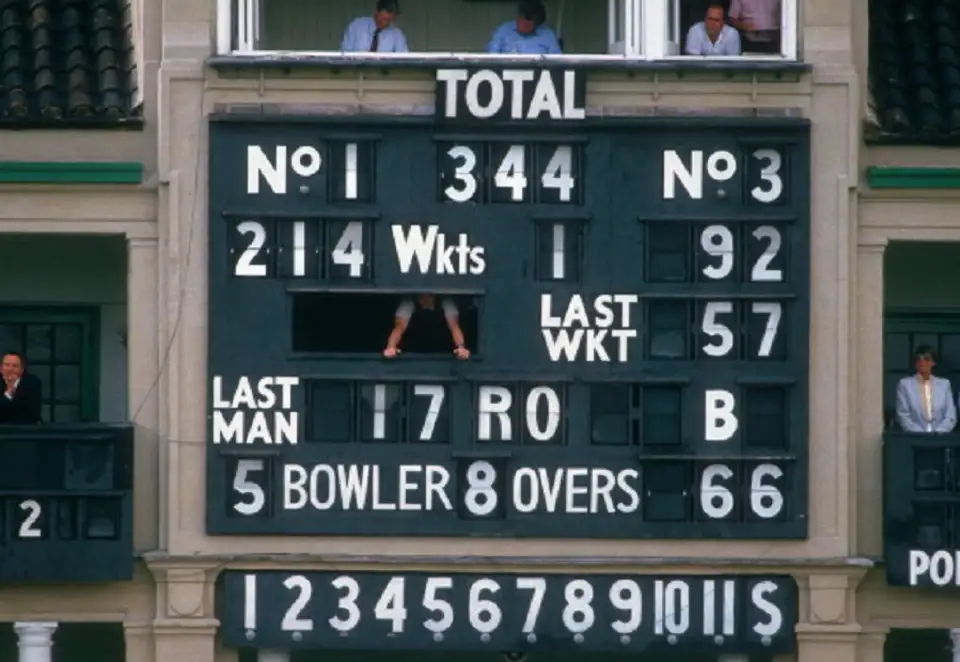
The scoring system in Test cricket is straightforward once the main terms are understood.
A team’s score consists of runs scored by its batters plus extras awarded to the batting side.
Runs
When batters successfully run between the wickets, they add runs to the team total. A batter can also score four or six runs from a boundary.
Individual batting scores are recorded separately from the overall team score.
Extras
Extras are runs that do not count toward the individual batter’s score. They include wides, no-balls, byes and leg-byes, as well as certain penalty runs.
For example, if a bowler delivers a wide, the team receives an extra run, but that run is not added to the batter’s personal score.
Understanding a Test Score
Suppose a scorecard shows:
Team A: 350 & 220/4 declared
Team B: 275
The first number means Team A scored 350 runs in its first innings. Team B then scored 275, giving Team A a first-innings lead of 75 runs.
Team A then scored 220 for four wickets and declared its second innings closed. This means Team A voluntarily ended its innings while four batters had been dismissed.
Team B would then need to score enough runs in its second innings to win the match.
Batting Average
Batting average is generally calculated by dividing a batter’s total runs by the number of times the batter has been dismissed.
A batter who scores 1,000 runs but is dismissed only 20 times has a batting average of 50.
Bowling Average
Bowling average generally represents the number of runs a bowler concedes for each wicket taken. It is calculated by dividing runs conceded by wickets credited to the bowler.
A lower bowling average is generally considered better.
Strike Rate and Economy Rate
Batting strike rate measures how quickly a batter scores runs, usually expressed as runs per 100 balls.
Bowling economy rate measures how many runs a bowler concedes per over.
In Test cricket, strike rate can provide useful context, but it is often less important than in limited-overs cricket because survival and building long innings are major parts of the format.
Test Match Results Explained
Test matches can produce several different types of results.
Winning by Runs
A team wins by runs when it successfully defends a target and dismisses the opposition before the opposition reaches it.
For example, if Team A sets a target of 300 and Team B is dismissed for 250, Team A wins by 49 runs.
Winning by Wickets
A team wins by wickets when it successfully reaches the target during its innings while still having batters available.
If a team needs 250 runs and reaches 251 while only three wickets have fallen, it wins by seven wickets.
Winning by an Innings
An innings victory occurs when a team scores substantially more runs than its opponent and then dismisses that opponent twice without needing to bat a second time.
For example, if Team A scores 500 and Team B scores 200 in its first innings, Team A has a lead of 300. If Team B is then dismissed for 250 in its second innings, Team A wins by an innings and 50 runs.
Draw
A draw occurs when neither team completes a winning result before the match ends.
Draws are a distinctive feature of Test cricket. A team can bat defensively, survive difficult conditions or simply run out of time before the opposition can take all 20 wickets.
Rain and poor weather can also make a draw more likely.
Tie
A tied Test is extremely rare. A tie occurs when both teams have exactly the same total score and both have completed their required innings.
A tie is fundamentally different from a draw. In a draw, there is no winner because the match ends without a completed winning result. In a tie, both teams finish with exactly equal scores under the required circumstances.
What Is a Declaration in Test Cricket?
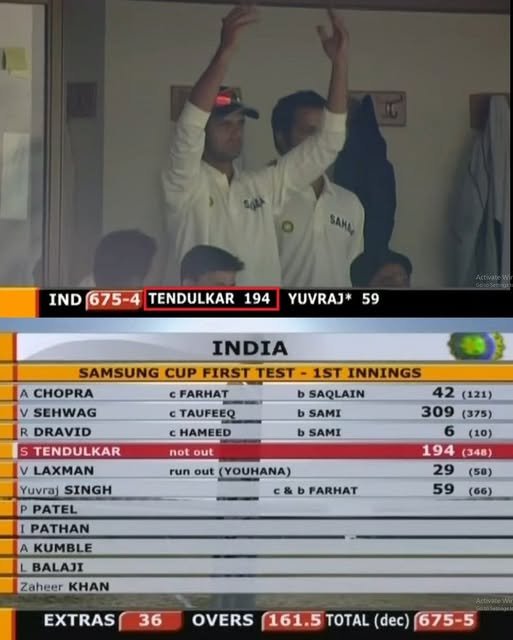
A declaration is one of the most distinctive tactical features of Test cricket.
A captain can voluntarily end the team’s innings while wickets remain. This is usually done to give the opposition enough time to bat while leaving the bowling team sufficient time to take 10 wickets.
For example, imagine a team has scored 500 runs for six wickets. The captain may decide that scoring more runs is less important than using the remaining match time to dismiss the opposition.
Why Do Captains Declare?
The main objective is to create a winning opportunity.
If a team continues batting indefinitely, it may score more runs but leave insufficient time to take all 20 opposition wickets. A declaration allows the captain to set a target and begin bowling immediately.
Declarations therefore involve a balance between maximizing the lead and giving the opposition enough time to chase or survive.
Can a Team Declare at Any Time?
Yes, a captain can declare the innings closed while the batting side is in control of the innings, subject to the Laws and applicable playing conditions.
The decision is strategic and can depend on the match situation, pitch conditions, weather forecast, remaining time and strength of the bowling attack.
Follow-On Rule Explained
The follow-on is another important feature of Test cricket.
It allows the team that bats second and falls significantly behind to be required to bat again immediately, rather than forcing the leading team to bat for a second time.
The required margin for enforcing the follow-on depends on the length and playing conditions of the match. In a standard five-day Test, the traditional threshold is 200 runs.
For example, if Team A scores 500 and Team B scores only 250, Team A has a 250-run first-innings lead. The captain of Team A may choose to enforce the follow-on, requiring Team B to bat again.
Why Might a Captain Enforce the Follow-On?
The main advantage is time. The leading team gets another opportunity to bowl while the opposition is already under pressure.
However, enforcing the follow-on can also carry risks. Bowlers may be tired after a long first innings, and the pitch may become easier for batting. A captain may therefore decide to bat again, extend the lead and then bowl later.
Players’ Roles in Test Cricket
Test teams are generally constructed around a combination of specialist roles.
Opening Batters
Openers face the new ball, often against the opposition’s best fast bowlers.
Their primary objective is to survive the most challenging early conditions and provide a strong foundation for the rest of the innings.
Middle-Order Batters
Middle-order players usually bat after the openers and are expected to build partnerships and convert starts into substantial scores.
They may also have to rebuild an innings after early wickets or accelerate scoring when the team needs to put pressure on the opposition.
All-Rounders
An all-rounder contributes significantly with both bat and ball.
In Test cricket, a quality all-rounder can provide valuable balance because the player can strengthen either department depending on match conditions.
Wicketkeeper
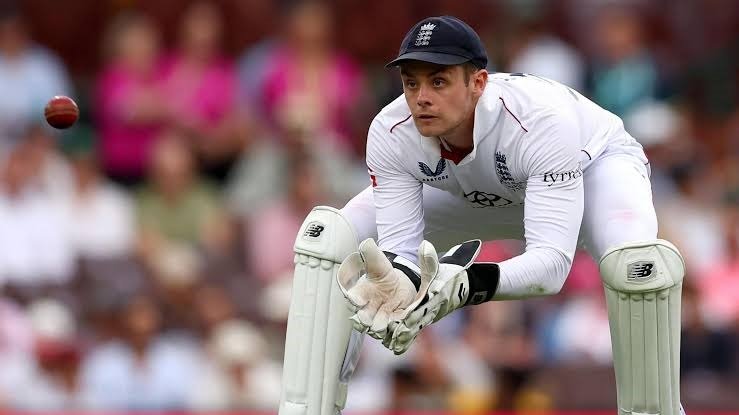
The wicketkeeper stands behind the stumps and is responsible for catching deliveries, collecting the ball and completing stumpings.
Wicketkeepers also play an important communication role because they have a clear view of the field and the batter.
Fast Bowlers
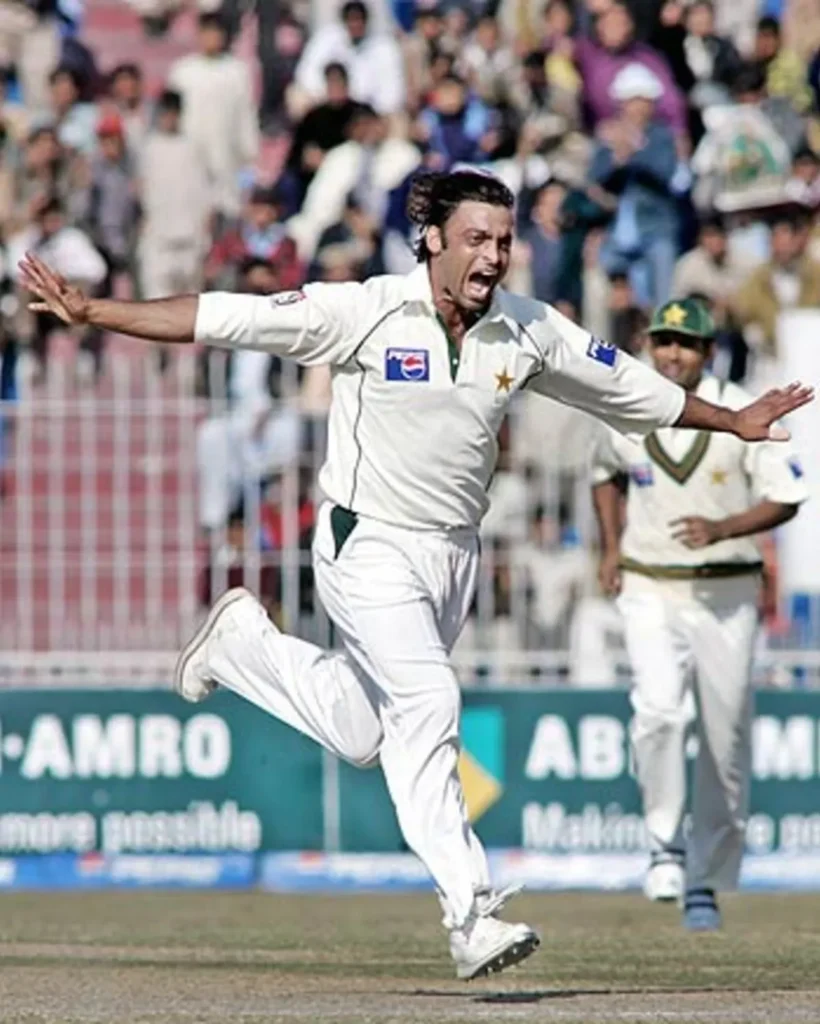
Fast bowlers attempt to dismiss batters through pace, movement, bounce and accuracy.
In Test cricket, they may bowl long spells and return repeatedly across several days, making fitness and consistency especially important.
Spin Bowlers
Spinners use rotation of the ball, changes in trajectory and variations in speed to deceive batters.
Spin often becomes increasingly important as a Test progresses and the pitch begins to deteriorate, although conditions vary greatly from venue to venue.
Captain
The captain controls field placements, bowling changes and major tactical decisions.
In Test cricket, captaincy is particularly demanding because decisions must account for the entire five-day contest rather than just a few hours.
Test Cricket Batting Strategy
Test batting is built around the ability to survive, adapt and score over long periods.
Importance of Patience
A Test batter may face hundreds of deliveries during a long innings. There is often no need to attack every ball.
Patience allows batters to wait for scoring opportunities while reducing the chances of making an error.
Playing the New Ball
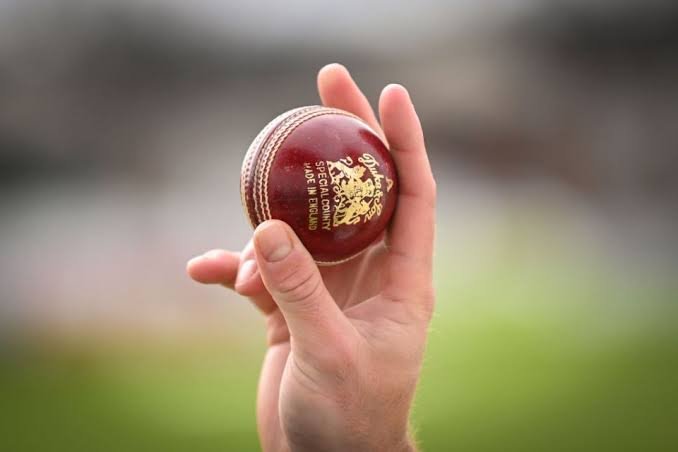
The new ball can move through the air and off the pitch, making the early part of an innings particularly challenging.
Opening batters must judge which deliveries to play and which to leave.
Leaving the Ball
Leaving a dangerous delivery outside the off stump can be just as valuable as scoring a run.
This is one of the major differences between Test batting and shorter formats, where batters are frequently encouraged to attack a wider range of deliveries.
Building a Long Innings
Successful Test batters often divide an innings into stages. They may initially focus on survival, then become more comfortable as conditions improve and eventually increase their scoring rate.
Concentration is critical because a single mistake can end an innings that took several hours to build.
Test Cricket Bowling Strategy
Test bowling is about creating pressure over time rather than simply trying to produce one spectacular delivery.
Why the New Ball Matters
The new ball is harder and generally capable of producing greater movement and bounce.
Fast bowlers often use this period to attack the top-order batters before the ball becomes older and softer.
Fast Bowling and Swing
Swing occurs when the ball moves through the air. Seam movement occurs when the ball deviates after pitching.
Skilled fast bowlers can use changes in line, length, pace and movement to make batting difficult.
Reverse Swing
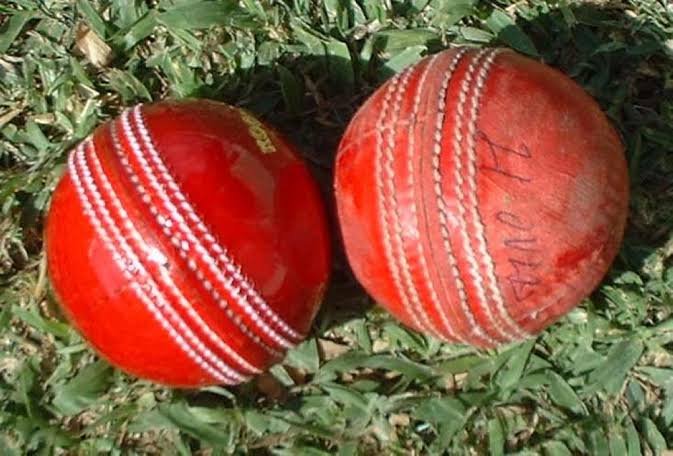
With an older ball, fast bowlers may be able to generate reverse swing under suitable conditions.
This can make an older ball dangerous even after the conventional movement associated with a new ball has decreased.
Spin Bowling
Spin becomes particularly valuable when the pitch provides assistance.
Spinners can change the amount of turn, flight, speed and trajectory, forcing batters to make difficult decisions about footwork and shot selection.
Building Pressure
A bowler does not necessarily need to take a wicket with every over.
Consistently bowling accurate deliveries can restrict scoring and force batters to attempt riskier shots. This pressure can eventually create a wicket.
Fielding and Captaincy in Test Cricket
Fielding is an essential part of Test cricket because a team must take 20 wickets to win a match in most conventional circumstances.
Why Field Placements Matter
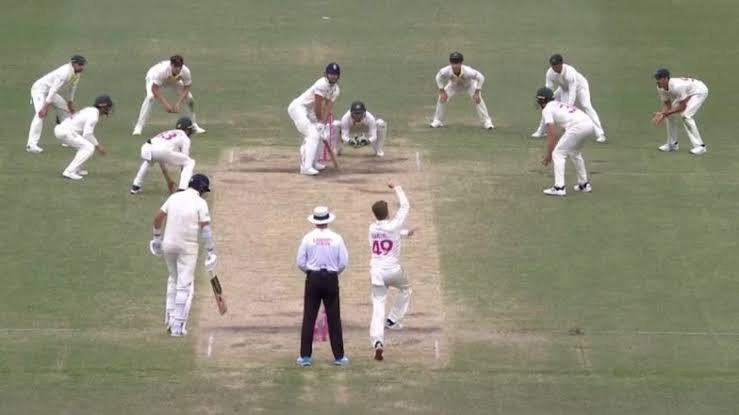
Captains position fielders according to the bowler’s strategy, batter’s strengths and weaknesses, match situation and pitch conditions.
A captain may place several fielders around the bat when trying to force a mistake or move them deeper when attempting to prevent boundaries.
Attacking and Defensive Fields
An attacking field focuses on taking wickets. It may include several close catchers and fewer boundary riders.
A defensive field protects runs and attempts to restrict the batter’s scoring options.
Good Test captains constantly move between these approaches.
Slip Fielders
Slip fielders stand behind the batter on the off side and are positioned to catch edges.
They are particularly important when fast bowlers are generating movement away from the bat.
Managing Bowlers
Captains must carefully manage their bowling resources. A fast bowler cannot normally bowl continuously for hours without rest.
Effective rotation helps preserve bowlers’ energy and allows the captain to attack at the right moments.
Pitch, Weather and Conditions

One of the most fascinating aspects of Test cricket is how conditions can change during a match.
How the Pitch Changes
A pitch can behave differently on the first morning compared with the fourth or fifth day.
Early moisture may assist seam bowling, while a dry surface can later provide more assistance to spinners. As the pitch deteriorates, cracks and uneven bounce may make batting increasingly difficult.
Green Pitches
A pitch with visible grass may provide assistance to seam and swing bowlers, particularly when the ball is new.
However, the presence of grass alone does not guarantee difficult batting conditions. Pitch behavior depends on its preparation, moisture, weather and other factors.
Flat Batting Pitches
Some pitches offer limited movement and remain relatively good for batting.
These conditions can produce large individual scores and high team totals, while making it more difficult for bowlers to take wickets.
Dry and Turning Pitches
Dry surfaces can increasingly assist spin bowling, particularly as the match progresses.
Spinners may obtain greater turn and bounce, making footwork and shot selection increasingly important for batters.
Weather and Rain
Weather can have a major influence on Test cricket.
Rain can reduce playing time, while cloudy conditions may assist swing bowling. Hot weather can also affect player fitness and pitch deterioration.
Because a Test is played over several days, weather forecasts can become an important part of a captain’s tactical planning.
Home Advantage
Teams often perform better in familiar conditions because they understand the local pitches, weather and typical ball behavior.
For example, a team accustomed to playing on turning pitches may be better prepared for spin-heavy conditions than visiting teams.
The Test Cricket Ball
The traditional Test cricket ball is red. Its behavior changes throughout an innings, which is one of the reasons Test bowling can evolve dramatically.
Why Test Cricket Uses a Red Ball
The red ball has traditionally been used because it remains visible during daylight and is suited to the long format.
The ball’s seam, hardness and surface condition can all influence its behavior.
How the Ball Changes Over 80 Overs
A new ball can swing and seam, while an older ball becomes softer and more worn.
Fast bowlers can sometimes extract reverse swing from an older ball, while spinners may benefit as the pitch wears.
In standard Test cricket, teams can take a new ball after 80 overs, although the exact rules and playing conditions govern how this works.
Seam Movement
The raised seam on the cricket ball can interact with the pitch and cause the ball to deviate after bouncing.
Bowlers who consistently land the ball on the seam can make batting particularly difficult.
Swing
Swing refers to movement through the air.
Conventional swing is often associated with the newer ball, while reverse swing can occur with an older ball under suitable conditions.
Ball Replacement
If a ball becomes lost, damaged or otherwise unsuitable, the umpires can replace it according to the applicable regulations.
In Test cricket, the condition of the replacement ball can matter considerably because ball condition affects its behavior.
Day-Night Test Cricket and the Pink Ball
Day-night Test matches use a pink ball instead of the traditional red ball.
The pink ball is designed to remain visible under artificial lighting while still allowing the match to retain the characteristics of longer-format cricket.
Day-Night Test Matches
A day-night Test is played partly or largely under floodlights rather than entirely during daylight.
The concept was introduced to make Test cricket more accessible to spectators and television audiences who may not be able to watch traditional daytime matches.
What Is a Day-Night Test?
Instead of beginning in the morning and finishing before evening, a day-night Test generally starts in the afternoon and continues into the evening.
The use of the pink ball is a key part of the format.
Why Was the Pink Ball Introduced?
A red cricket ball becomes difficult to see under artificial lighting, particularly against a dark background.
The pink ball provides better visibility under floodlights while allowing players to continue using a ball designed for the longer format.
Advantages and Challenges
Day-night Tests can attract spectators who are unavailable during conventional daytime hours.
However, the behavior of the pink ball can differ from the red ball, especially under evening conditions. This means teams must adapt their strategies when playing a day-night Test.
Technology in Test Cricket
Technology has become an important part of modern Test cricket. It assists umpires while also giving viewers a clearer understanding of controversial decisions.
Decision Review System
The Decision Review System, commonly known as DRS, allows teams to challenge certain on-field decisions.
When a review is requested, the third umpire examines available technology and evidence before making or recommending the appropriate decision according to the applicable playing conditions.
Hawk-Eye and Ball Tracking
Ball-tracking technology is used particularly for LBW reviews.
It can help determine where the ball pitched, where it struck the batter and the projected path of the ball toward the stumps.
UltraEdge
UltraEdge is used to help determine whether the ball made contact with the bat or glove before reaching the wicketkeeper or a fielder.
It can be particularly useful when an edge is too faint to be detected clearly by the naked eye.
Third Umpire
The third umpire assists the on-field officials by reviewing television footage and technology.
Run-outs, stumpings, catches and certain other incidents can be referred for review when the relevant conditions are met.
Technology does not eliminate every difficult decision, but it has significantly improved the ability of officials to review close calls.
Common Test Cricket Terms You Should Know
Understanding cricket terminology makes watching Test matches much easier.
Maiden Over
A maiden is an over in which the bowler concedes no runs from the bat or extras, subject to the laws governing the particular deliveries.
Maiden overs are valuable because they build pressure without allowing the batting team to increase its score.
Century
A century is a score of 100 or more runs by a batter in a single innings.
A century is one of the major individual milestones in cricket.
Double Century
A double century means a batter scores at least 200 runs in one innings.
It is a major achievement and often represents several hours of sustained concentration and technique.
Duck
A duck means a batter is dismissed without scoring a run.
A golden duck occurs when a batter is dismissed from the first ball faced.
Nightwatchman
A nightwatchman is usually a lower-order batter sent in late in the day to protect a specialist top-order batter from facing a difficult period of bowling shortly before stumps.
The strategy is based on protecting a more valuable batter rather than expecting the nightwatchman to score a large number of runs.
Lead
A lead represents the number of runs by which one team has scored more than the other after both teams have completed their first innings.
If Team A scores 400 and Team B scores 300, Team A has a 100-run lead.
Deficit
A deficit occurs when a team scores fewer runs than its opponent in the first innings.
In the example above, Team B has a deficit of 100 runs.
Tailender
A tailender is generally a lower-order batter whose primary specialty is bowling rather than batting.
Tailenders can still make important contributions, particularly through partnerships with specialist batters.
Session
A day’s play is divided into sessions, traditionally separated by lunch and tea.
Sessions provide a useful way of understanding the rhythm of a Test match.
Partnership
A partnership refers to the runs scored by two batters between the fall of one wicket and the fall of the next.
Large partnerships can transform a Test match by allowing a team to recover from a difficult position or establish control.
Stumps
“Stumps” can refer to the three wooden posts that form the wicket. The term is also commonly used to describe the end of a day’s play.
When commentators say “play has been called at stumps,” it means the day’s scheduled play has ended.
Frequently Asked Questions About Test Cricket
How long does a Test cricket match last?
A Test match is scheduled for a maximum of five days, although it can finish earlier if there is a result or if other circumstances bring the match to an end.
How many innings does each team have?
Each team normally has two innings in a Test match.
Can Test cricket end in a draw?
Yes. A draw is common enough to be an important strategic possibility, particularly when rain reduces playing time or neither team can take the required wickets before the match ends.
Can a Test match last more than five days?
A standard Test match is scheduled for five days. Exceptional circumstances and specific regulations can affect playing time, but the normal structure is five days.
How many overs are there in Test cricket?
There is no fixed maximum number of overs for a Test innings. However, teams are expected to maintain the required over rate during scheduled play.
Why do Test cricketers wear white?
Traditional Test cricket is played in white clothing because the format developed around daytime cricket and the red ball. White clothing remains one of the defining visual characteristics of Test cricket.
Why is a red ball used in Test cricket?
The red ball is designed for visibility during daytime play and is suitable for a format in which the ball remains in use for long periods.
What is a follow-on?
A follow-on allows the team that has established a sufficiently large first-innings lead to require the opposition to bat again immediately rather than taking its own second innings.
What is a declaration?
A declaration occurs when a captain voluntarily closes the team’s innings while wickets remain, usually to give the team more time to bowl the opposition out.
What is an innings victory?
An innings victory occurs when a team wins without needing to bat in its second innings because it has already established a lead large enough to defeat the opposition after the opposition’s second innings.
What is a Test century?
A Test century is when a batter scores at least 100 runs in one innings of a Test match.
What is the difference between a Test and an ODI?
The biggest differences are duration, innings structure and overs. A Test allows two innings per team and can last up to five days, while an ODI gives each team one innings of up to 50 overs.
Why is Test cricket considered difficult?
Test cricket requires players to maintain performance over several days. Batters need patience and technique, bowlers need endurance and accuracy, and captains must make tactical decisions over a much longer period than in limited-overs cricket.
Why Test Cricket Still Matters
Test cricket remains one of the most demanding forms of competitive sport because it requires much more than individual talent. A batter must be able to concentrate for hours, a fast bowler must repeatedly produce accurate deliveries, and a captain must plan several sessions ahead while adapting to changing conditions.
Its slower pace is not a weakness; it is part of what makes the format unique. A Test match can change direction many times. A team that dominates one morning can struggle by the evening, while a long partnership or a spell of exceptional bowling can completely alter the contest.
Modern technology, improved fitness, day-night matches and changing tactics have helped Test cricket evolve without removing its traditional character. At its heart, the format continues to reward patience, technique, endurance, adaptability and strategic thinking.
For anyone who wants to understand cricket at its deepest level, Test cricket provides the clearest picture of how batting, bowling, fielding and captaincy interact over time. It is not simply a longer version of limited-overs cricket—it is a distinct form of the game with its own strategies, challenges and traditions.