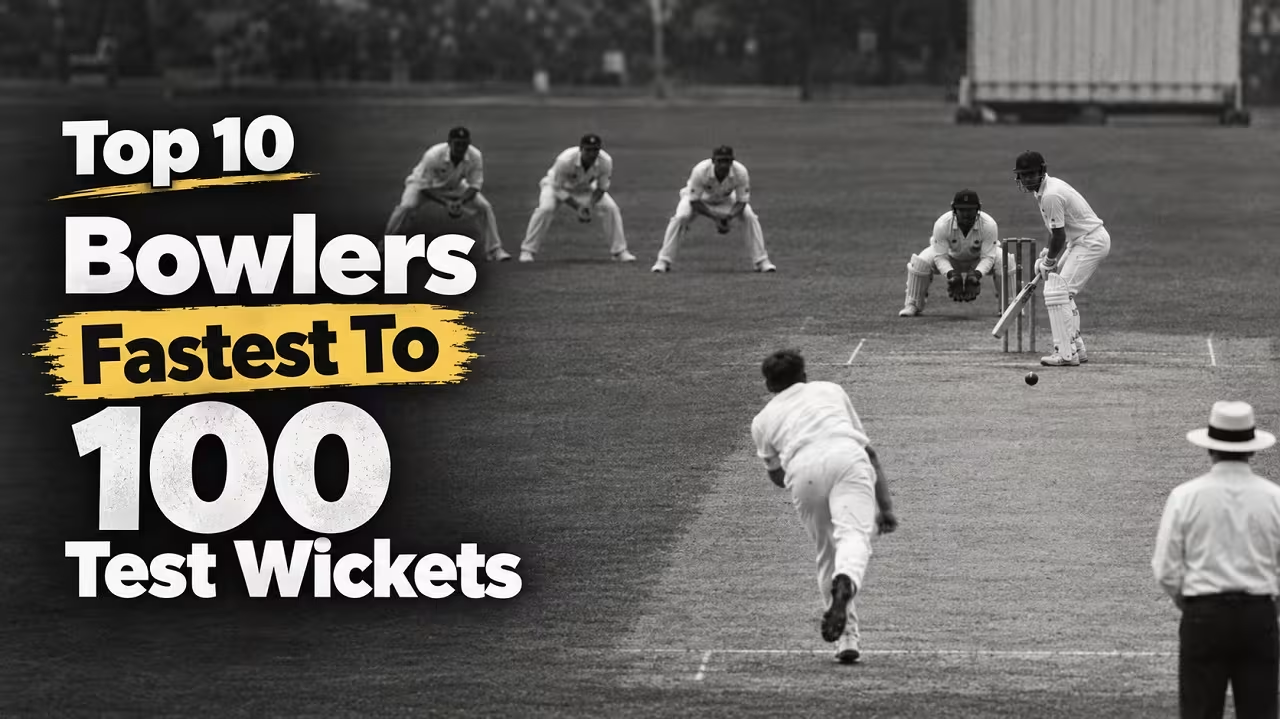
Reaching the fastest 100 test wickets in cricket is a significant achievement for any bowler. Doing it in fewer matches, however, requires extraordinary consistency, skill and the ability to trouble batters across different conditions.
While some bowlers build their records over long careers, a select group has reached this milestone in just 16 or 17 Test matches.
England’s George Lohmann holds the all-time record, having reached 100 Test wickets in just 16 matches during the 19th century. Several legendary bowlers have come close, including Australia’s Charlie Turner and Clarrie Grimmett, England’s Sydney Barnes, Pakistan’s Yasir Shah and Sri Lanka’s Prabath Jayasuriya.
This record features both fast bowlers and spinners, demonstrating that there is more than one way to dominate the longest format of international cricket.
Key Highlights
- Fastest bowler to 100 Test wickets: George Lohmann of England, in 16 matches.
- Joint-second-fastest: Charlie Turner, Sydney Barnes, Clarrie Grimmett, Yasir Shah and Prabath Jayasuriya, all in 17 matches.
- Fastest Indian bowler on the list: Ravichandran Ashwin, who reached the milestone in 18 matches.
- Pakistan’s record-holder: Yasir Shah, who completed 100 Test wickets in 17 matches.
- Fastest Sri Lankan bowler: Prabath Jayasuriya, who reached the landmark in 17 Tests in November 2024.
- A record spanning generations: The list includes bowlers from the 19th century through the modern era.
- A remarkable statistic: George Lohmann finished his Test career with 112 wickets at an outstanding average of approximately 10.75.
Top 10 Fastest Bowlers to Reach 100 Test Wickets
The following table ranks bowlers by the number of Test matches they needed to claim their first 100 wickets. Because several players share the same record, the list includes tied positions.
| Rank | Bowler | Country | Tests to 100 wickets |
|---|---|---|---|
| 1 | George Lohmann | England | 16 |
| 2 | Charlie Turner | Australia | 17 |
| 2 | Sydney Barnes | England | 17 |
| 2 | Clarrie Grimmett | Australia | 17 |
| 2 | Yasir Shah | Pakistan | 17 |
| 2 | Prabath Jayasuriya | Sri Lanka | 17 |
| 7 | Ravichandran Ashwin | India | 18 |
| 8 | Colin Blythe | England | 19 |
| 8 | Alfred Valentine | West Indies | 19 |
| 8 | Andy Roberts | West Indies | 19 |
Note: Several other bowlers also reached 100 Test wickets in 19 matches, including Ian Botham, Saeed Ajmal and Vernon Philander. They share the same match-based milestone as the bowlers listed in the final three positions.
George Lohmann — England (16 Matches)
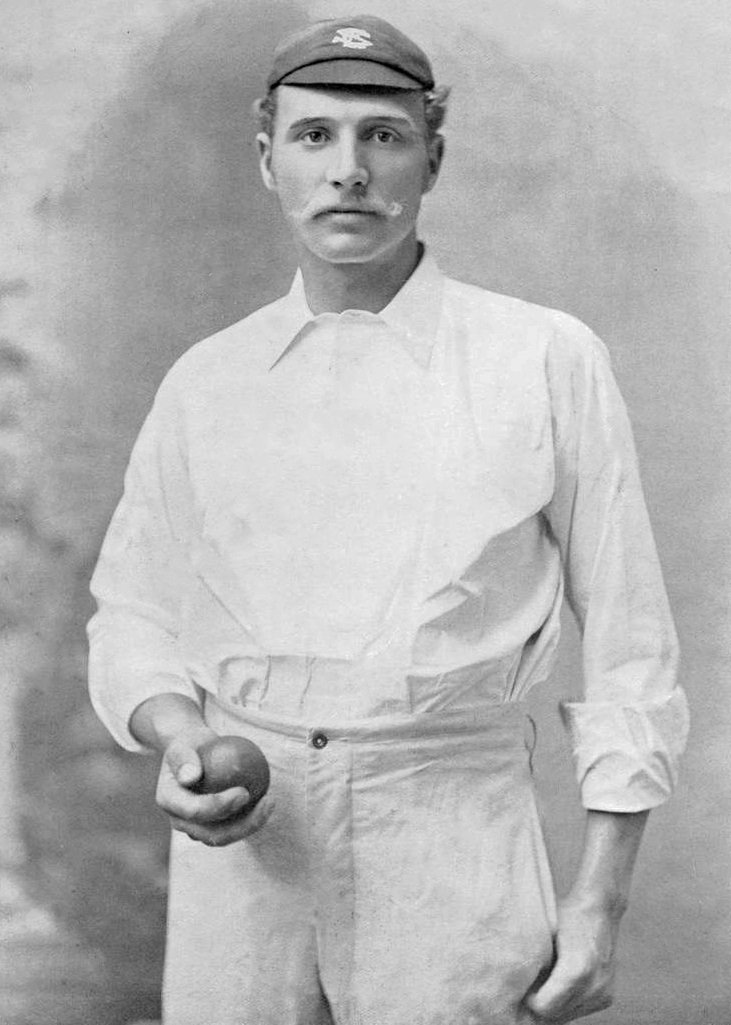
George Lohmann holds the record for the fastest bowler to reach 100 wickets in Test cricket. He achieved the milestone in just 16 matches, a feat that has stood for more than a century.
Playing for England during the late 19th century, Lohmann was renowned for his exceptional accuracy, control and ability to exploit batting weaknesses. Although he did not bowl at the extreme pace associated with modern fast bowlers, his command of length and movement made him a formidable opponent.
Lohmann played only 18 Test matches, taking 112 wickets at an extraordinary average of approximately 10.75. His figures underline how dominant he was during his relatively short international career.
His record is particularly remarkable because it has survived generations of cricketing development. Changes in equipment, fitness, batting techniques and playing conditions have not prevented Lohmann from retaining his place at the top of this historic list.
Charlie Turner — Australia (17 Matches)
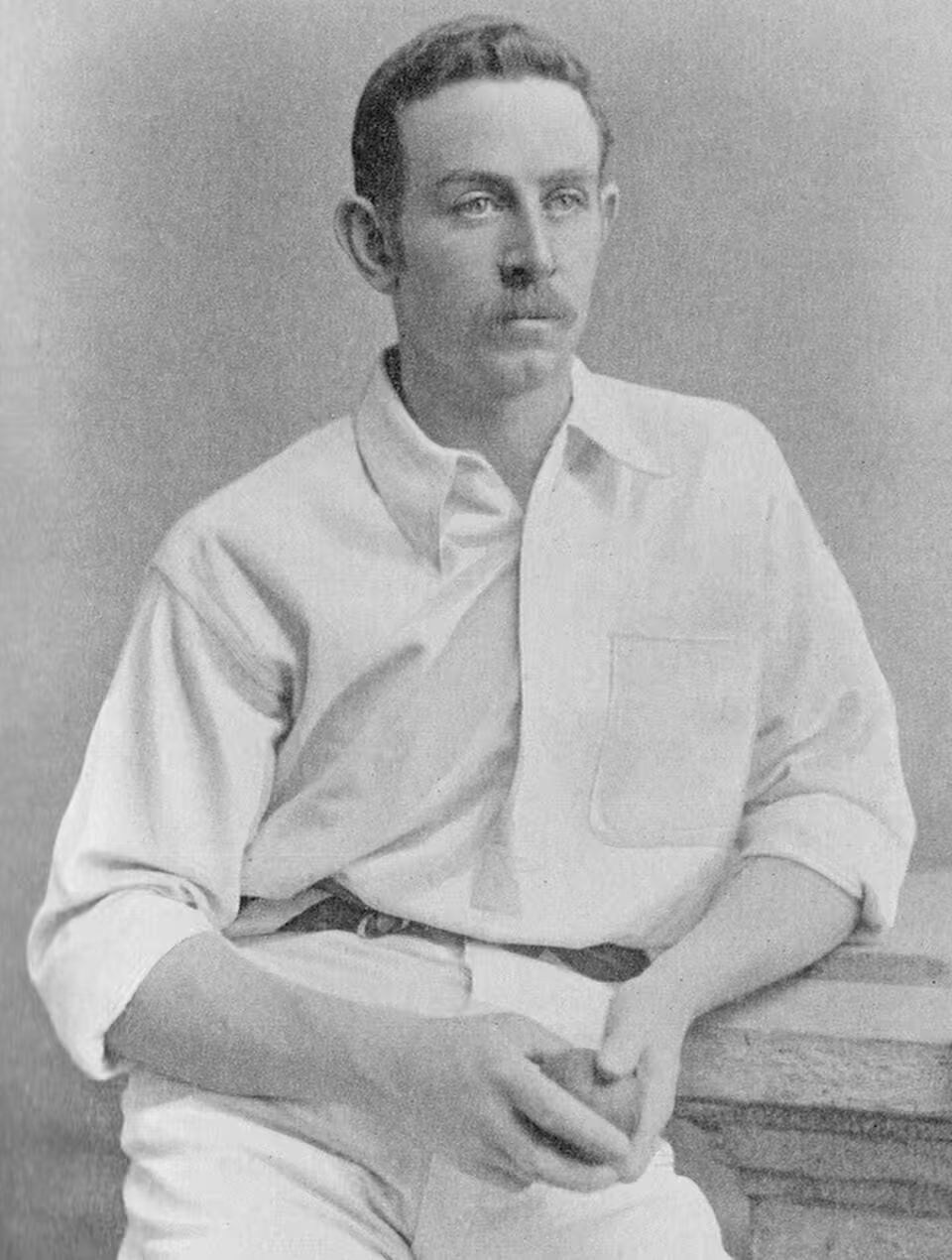
Charlie Turner was one of Australia’s most effective bowlers during the late 19th century. He reached 100 Test wickets in just 17 matches and became one of the earliest Australian bowlers to establish himself as a major force in international cricket.
Turner was known for his accuracy, persistence and ability to trouble batters over extended spells. During an era when pitches and equipment differed considerably from those used today, bowlers depended heavily on control, changes of pace and the ability to exploit difficult batting conditions.
He formed an important part of Australia’s early Test cricket history and helped establish the country’s reputation as a competitive international side.
Reaching 100 wickets in 17 matches placed Turner among the most successful bowlers of his generation. His achievement remains especially significant because it was accomplished during the formative years of Test cricket.
Sydney Barnes — England (17 Matches)
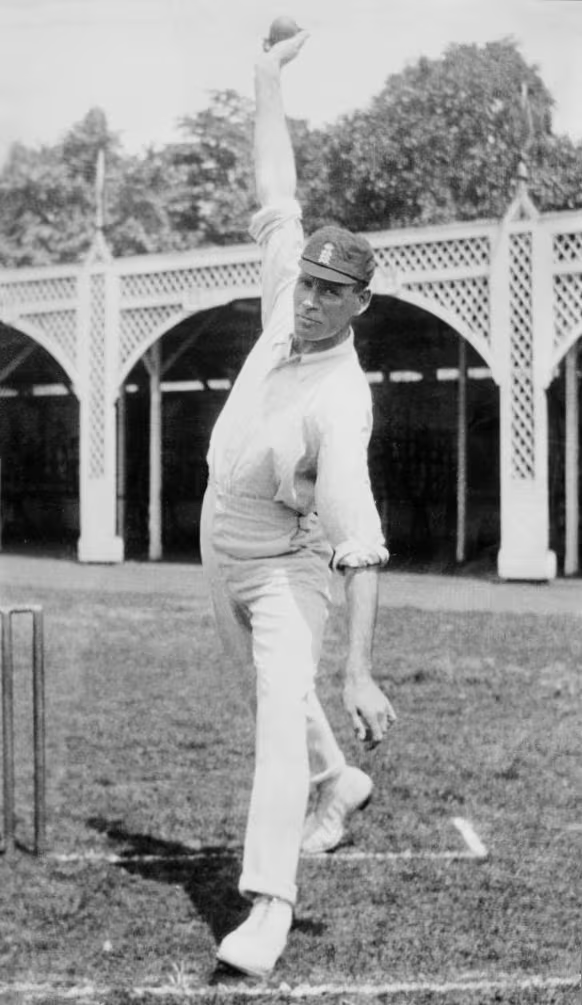
Sydney Barnes is widely regarded as one of the greatest bowlers in cricket history. Representing England in the early 20th century, he developed a reputation for exceptional control, movement and the ability to dismiss batters consistently.
Barnes reached 100 Test wickets in 17 matches, joining an exclusive group of bowlers who achieved the milestone in so few appearances. His bowling relied on subtle variations, movement through the air and off the pitch, and an understanding of how to exploit a batter’s weaknesses.
He was particularly effective when conditions offered assistance to bowlers. Rather than depending solely on speed, Barnes used skill and precision to create uncertainty for opposing batters.
His overall Test career was equally impressive. Barnes finished with 189 wickets in just 27 Tests, demonstrating how quickly he could influence matches. His remarkable record has secured his place among the most celebrated bowlers of the early international era.
Clarrie Grimmett — Australia (17 Matches)
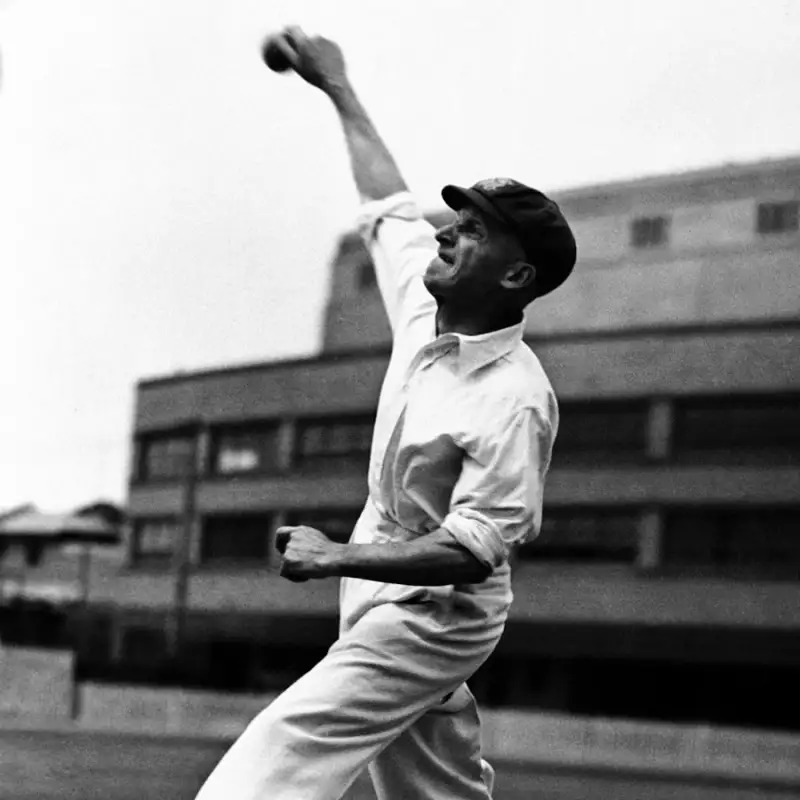
Clarrie Grimmett was a pioneering leg-spinner who played a major role in establishing spin bowling as a powerful attacking weapon in Test cricket.
Born in New Zealand and representing Australia internationally, Grimmett was known for his control, variations and ability to deceive batters. His leg-breaks and googlies made him difficult to read, while his accuracy allowed him to maintain pressure over long periods.
Grimmett reached 100 Test wickets in 17 matches, an outstanding achievement for a specialist spinner. He demonstrated that bowlers did not need extreme pace to dominate the longest format.
He eventually finished his Test career with 216 wickets in 37 matches. His record was particularly impressive for his era, when teams were increasingly learning to use specialist spinners as match-winning options.
Grimmett’s success helped influence future generations of Australian spin bowlers and remains an important part of the country’s cricketing heritage.
Yasir Shah — Pakistan (17 Matches)

Yasir Shah holds the record as Pakistan’s fastest bowler to reach 100 Test wickets, achieving the milestone in just 17 matches. He completed the feat against the West Indies in Dubai in October 2016.
A leg-spinner with sharp turn, variations in flight and excellent control, Yasir became one of Pakistan’s most successful Test bowlers during the 2010s. His ability to take wickets on surfaces offering assistance to spin made him a major threat, particularly in the United Arab Emirates and the subcontinent.
His achievement was especially impressive because he reached the milestone in the modern era, competing against batters who benefited from advanced preparation, video analysis and increasingly specialized techniques against spin.
Yasir’s record also demonstrated Pakistan’s long-standing strength in producing high-quality spin bowlers. His performance in the Dubai Test secured his place among the fastest bowlers in the history of the format.
Prabath Jayasuriya — Sri Lanka (17 Matches)
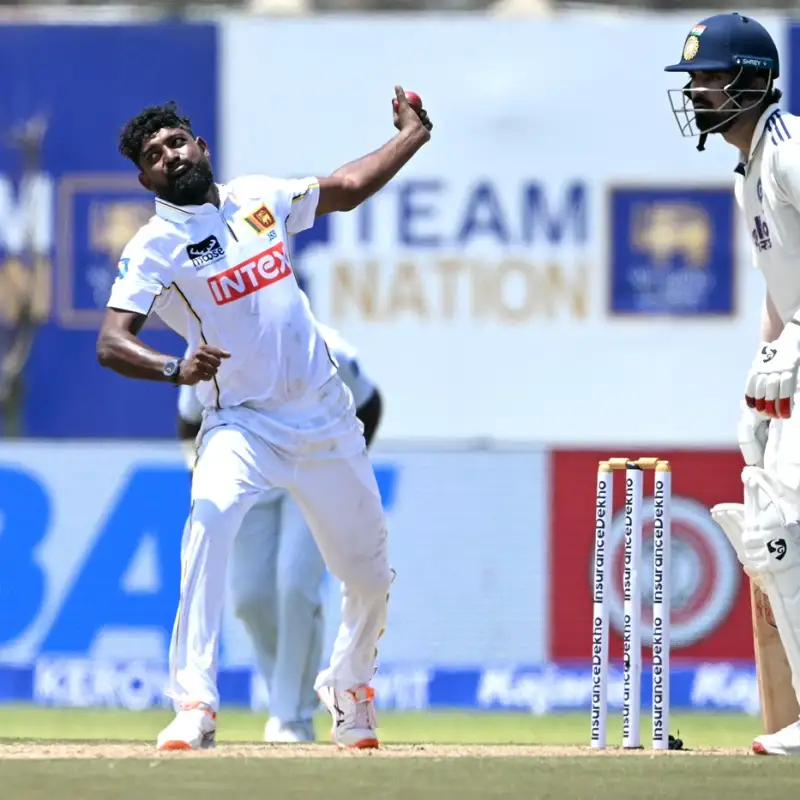
Prabath Jayasuriya became one of the most remarkable additions to this list when he reached 100 Test wickets in his 17th match in November 2024.
The Sri Lankan left-arm spinner made an immediate impact after making his Test debut in 2022. He impressed with his ability to extract turn, maintain accuracy and trouble batters with variations in trajectory and pace.
Jayasuriya’s early success was particularly notable in Sri Lankan conditions, where spin bowling plays a central role. He repeatedly demonstrated an ability to exploit turning pitches and build pressure through disciplined bowling.
He reached 97 wickets before the second Test against South Africa in November 2024. He then claimed his 100th wicket during the match in Durban, joining the group of bowlers who reached the milestone in 17 Tests.
His achievement showed that even in modern cricket, a specialist spinner can make an immediate and lasting impact at the highest level.
Ravichandran Ashwin — India (18 Matches)
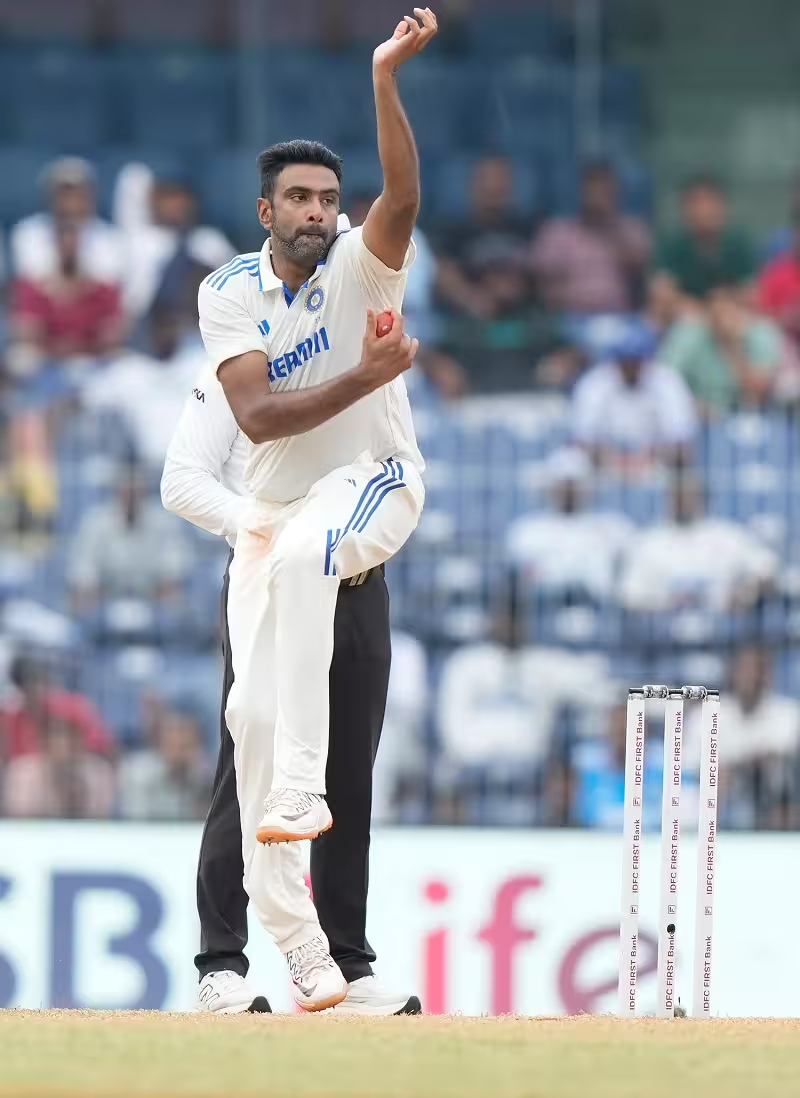
Ravichandran Ashwin reached 100 Test wickets in 18 matches, becoming one of India’s fastest bowlers to achieve the milestone.
Ashwin is one of the most accomplished spin bowlers of the modern era. His off-spin, changes in pace, variations in trajectory and ability to adjust his approach against different batters made him a consistent threat in Test cricket.
He was particularly effective on pitches that offered turn and bounce, although his tactical intelligence also allowed him to succeed in a variety of conditions. Ashwin combined wicket-taking ability with a deep understanding of batting techniques, often changing his plans according to the opposition.
His early progress was impressive, but his long-term career was even more significant. Ashwin retired from international cricket in December 2024 with 537 Test wickets, placing him among the leading wicket-takers in the history of the format.
Reaching 100 wickets in just 18 matches was an early indication of the exceptional career that followed.
Colin Blythe — England (19 Matches)
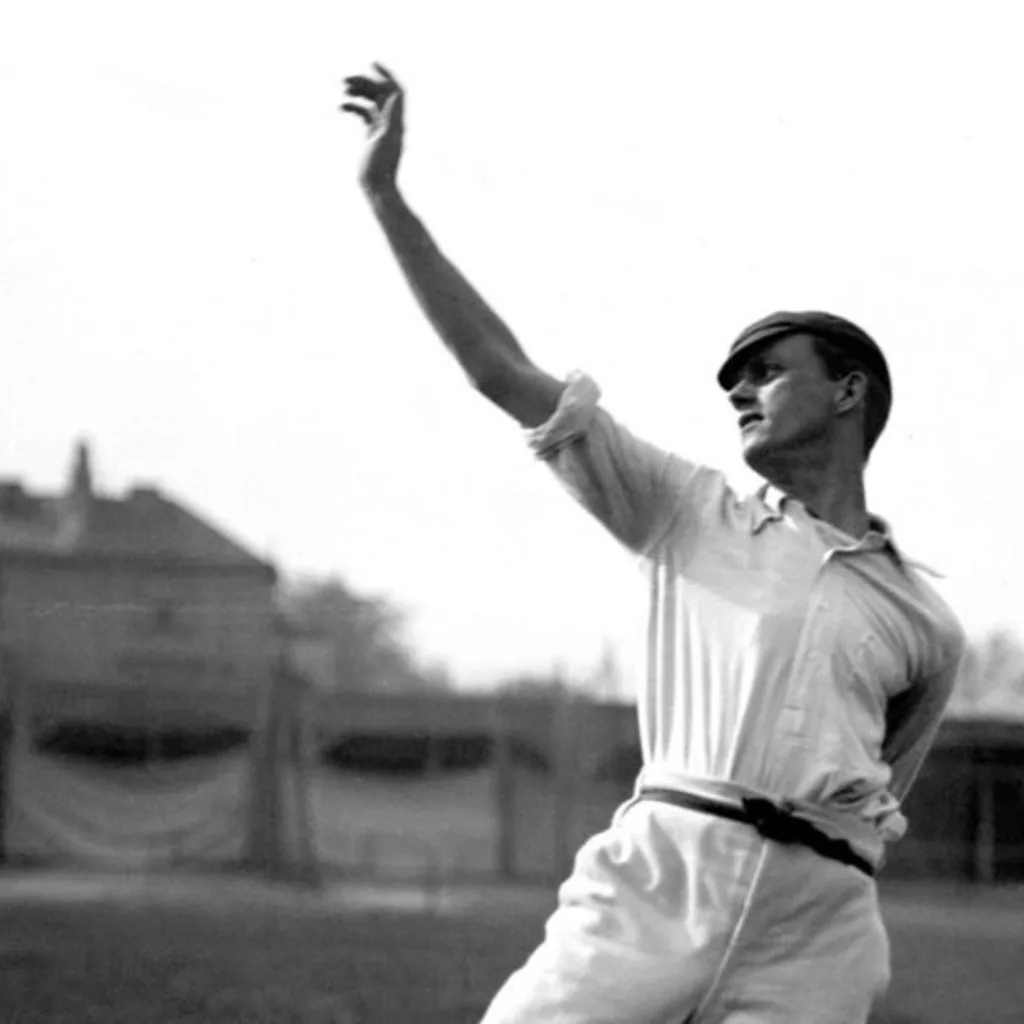
Colin Blythe was an English left-arm spinner who excelled during the early 20th century. He reached 100 Test wickets in 19 matches and became one of the leading bowlers of his generation.
Blythe was known for his accuracy and ability to generate difficult deliveries for batters to handle. His bowling was particularly effective when pitches offered assistance to spin, allowing him to build pressure and create wicket-taking opportunities.
He represented England during a period when international cricket was developing rapidly and competition between the leading teams was becoming increasingly intense.
Blythe’s achievement of reaching 100 wickets in 19 matches places him among the fastest bowlers to reach the landmark. His career is also remembered for his service during the First World War, during which he was killed in action in 1917.
His place on this list reflects both his exceptional bowling ability and the significant role he played in early English cricket.
Alfred Valentine — West Indies (19 Matches)
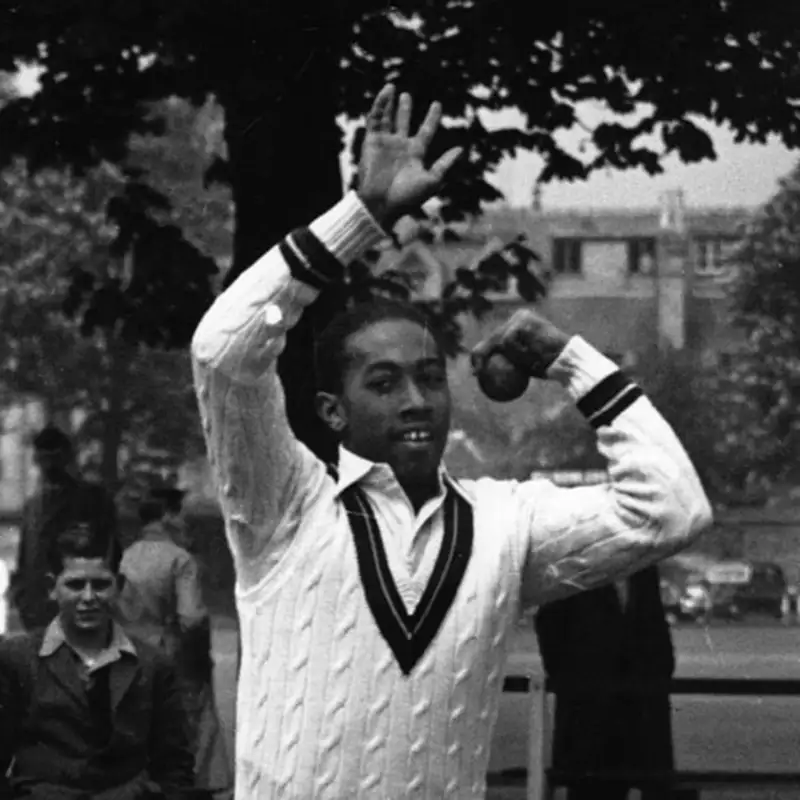
Alfred Valentine was a left-arm spinner from the West Indies who became one of the most celebrated bowlers of the early 1950s.
Valentine made an immediate impact in international cricket and was instrumental in establishing the West Indies as a serious force in Test matches. His ability to bowl long, accurate spells and maintain pressure made him especially valuable in an era when spin bowling often played a decisive role.
He reached 100 Test wickets in 19 matches, a remarkable achievement that placed him among the fastest bowlers to the milestone.
Valentine was part of the West Indies side that toured England in 1950, a historic tour during which the visitors won their first Test series in England. His performances helped strengthen the reputation of West Indian cricket and contributed to a period of growing international success.
His career demonstrates how disciplined spin bowling can be effective at the highest level, particularly when combined with patience and tactical awareness.
Andy Roberts — West Indies (19 Matches)
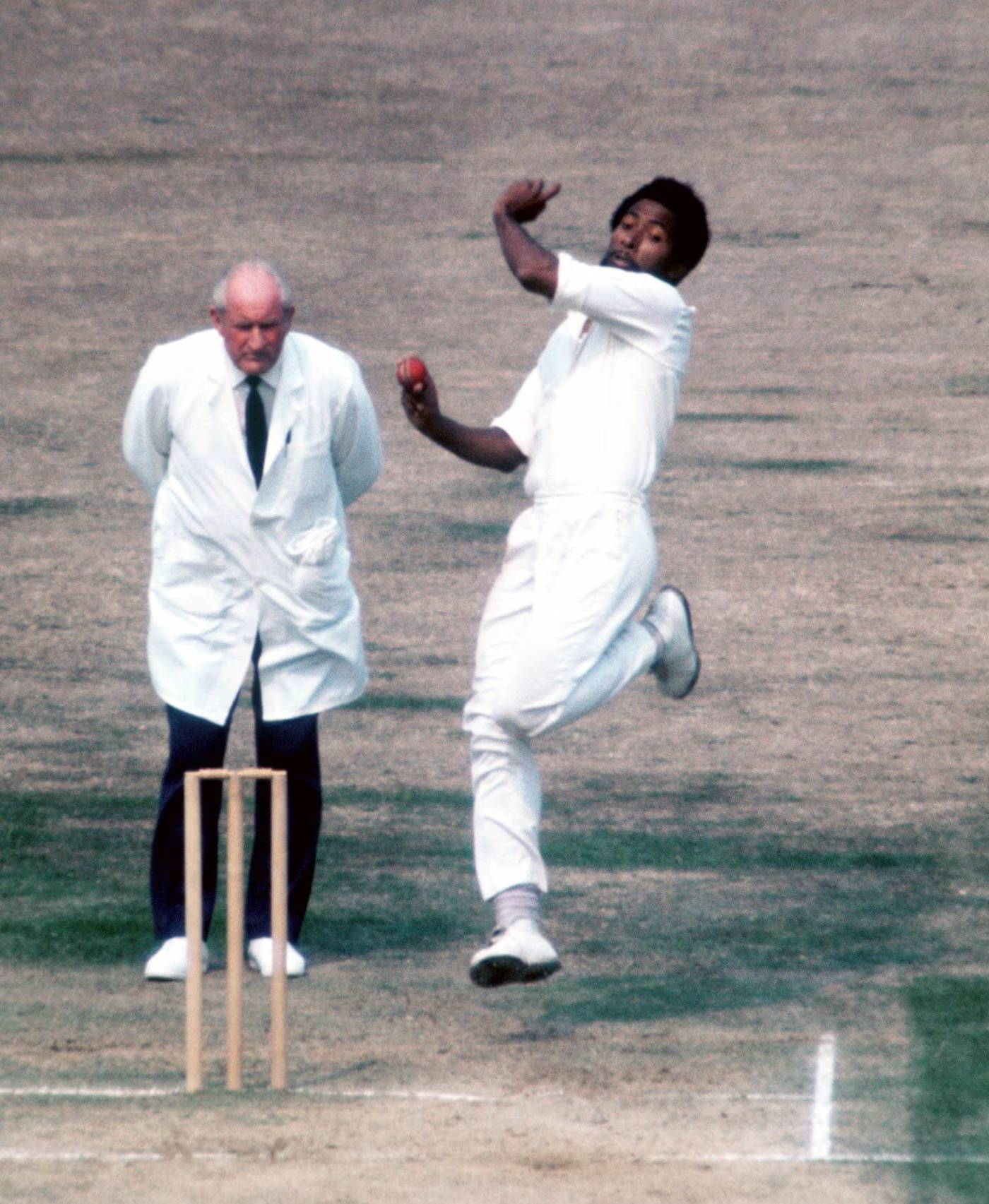
Andy Roberts was one of the pioneers of the fearsome West Indies fast-bowling tradition that dominated international cricket during the 1970s and 1980s.
Roberts reached 100 Test wickets in 19 matches, establishing himself as one of the fastest bowlers of his era to achieve the landmark. He was known for his pace, control, use of bouncers and ability to deceive batters through subtle changes in speed.
Unlike bowlers who relied exclusively on raw pace, Roberts combined aggression with tactical intelligence. He could vary his approach to unsettle batters, making him dangerous on different types of pitches.
He also played an important role in the rise of the West Indies as a dominant Test team. Alongside fellow fast bowlers, Roberts helped establish a formidable bowling attack that challenged batting lineups around the world.
His achievement of reaching 100 wickets in 19 matches highlights the impact he made early in his international career and his contribution to the history of fast bowling.
What Makes the Fastest 100 Test Wickets Record So Special?
Reaching the fastest 100 Test wickets is not simply a measure of raw talent. It reflects a bowler’s ability to perform consistently across multiple matches, adapt to different opponents and exploit a range of playing conditions.
Test cricket places unique demands on bowlers. They must maintain accuracy over long spells, manage their physical workload and develop plans to dismiss batters who have time to settle at the crease. A bowler who reaches 100 wickets in fewer matches has demonstrated an exceptional ability to influence games repeatedly.
The record also spans different eras. George Lohmann and Charlie Turner played when cricket was very different from the modern game, while Yasir Shah, Ravichandran Ashwin and Prabath Jayasuriya achieved their milestones in a more developed international environment.
Comparisons between eras are never straightforward. Changes in pitches, equipment, batting techniques, match schedules and playing conditions all affect bowling records. Nevertheless, the number of matches required to reach 100 wickets provides a useful way to compare the early impact of bowlers across generations.
Fastest to 100 Test Wickets: Key Takeaways
George Lohmann remains the fastest bowler to reach 100 Test wickets, having achieved the feat in just 16 matches. His record is a reminder of the extraordinary impact that a bowler can make, even in a relatively short international career.
Five bowlers share the next-best record of 17 matches: Charlie Turner, Sydney Barnes, Clarrie Grimmett, Yasir Shah and Prabath Jayasuriya. Their achievements span different countries, eras and bowling styles.
Ravichandran Ashwin reached the milestone in 18 matches, while Colin Blythe, Alfred Valentine and Andy Roberts did so in 19. Other distinguished bowlers, including Ian Botham, Saeed Ajmal and Vernon Philander, also reached 100 wickets in 19 Tests.
Together, these names demonstrate the variety of skills that make Test cricket so fascinating. Fast bowling, leg-spin, off-spin and left-arm orthodox spin have all produced exceptional early-career records.
Frequently Asked Questions
Who is the fastest bowler to take 100 wickets in Test cricket?
George Lohmann of England holds the record, reaching 100 Test wickets in just 16 matches during the 19th century.
Who is the fastest Pakistani bowler to reach 100 Test wickets?
Yasir Shah holds Pakistan’s record for reaching the fastest 100 Test Wickets in 17 matches against the West Indies in Dubai in October 2016.
How fast did Ravichandran Ashwin reach 100 Test wickets?
Ravichandran Ashwin reached 100 Test wickets in 18 matches, making him one of the fastest bowlers to achieve the milestone.
Who is the fastest Sri Lankan bowler to reach 100 Test wickets?
Prabath Jayasuriya reached 100 Test wickets in 17 matches in November 2024, becoming Sri Lanka’s fastest bowler to the milestone.
Which bowlers reached 100 Test wickets in 17 matches?
Charlie Turner, Sydney Barnes, Clarrie Grimmett, Yasir Shah and Prabath Jayasuriya all reached 100 Test wickets in 17 matches.
Is reaching 100 Test wickets in fewer matches more impressive than taking more wickets overall?
Reaching 100 wickets quickly demonstrates early effectiveness and consistency, while total career wickets reflect sustained success over time. Both achievements are important, but they measure different aspects of a bowler’s career.
Conclusion
The race to 100 Test wickets has produced some of the most impressive early-career achievements in cricket history. George Lohmann’s record of 16 matches remains unmatched, while the five bowlers who reached the milestone in 17 matches have established themselves among the format’s most effective wicket-takers.
From the precision of Sydney Barnes and the leg-spin of Yasir Shah to the modern achievements of Ravichandran Ashwin and Prabath Jayasuriya, this list highlights the different ways bowlers can succeed in Test cricket.
Ultimately, reaching 100 wickets quickly requires much more than ability. It demands consistency, tactical awareness, adaptability and the skill to perform against the world’s best batters. These bowlers demonstrated those qualities early in their careers and earned a permanent place in Test cricket history.