
Have you ever noticed that female athletes often wear shorter, tighter, or more revealing sports outfits than their male counterparts? Whether it is tennis, volleyball, golf, athletics, or even basketball, the difference is quite noticeable.
Men generally compete in longer shorts, loose jerseys, and more covered outfits, while women are often seen wearing short skirts, crop tops, fitted shorts, and sleeveless uniforms.
But why is this the case? Why female athletes wear shorter clothes? Is it simply about comfort and performance, or are fashion, tradition, sponsorships, and audience appeal also part of the story?
The answer is actually a combination of several factors. Let’s explore them.
1. Comfort and Freedom of Movement
One of the most common explanations is comfort and freedom of movement.
Professional athletes need clothing that allows them to run, jump, stretch, turn, and move quickly without feeling restricted. Sportswear is designed to support these movements while keeping athletes comfortable.
For example, female tennis players often wear skirts or dresses with built-in shorts underneath. These outfits are designed to allow quick movement across the court without restricting the legs.
Similarly, female volleyball players have traditionally worn fitted shorts because they allow players to move freely, dive, jump, and change direction quickly.
However, there is an important point here: Shorter clothing is not necessarily more comfortable or better for performance.
Male athletes perform the same kinds of physical movements while wearing longer shorts. Many female athletes also prefer longer shorts, leggings, or other designs. Modern sportswear offers plenty of choices for both.
2. Fashion, Tradition, and the History of Women’s Sports

The history of women’s sportswear is another important part of the explanation.
In the early days of professional women’s sports, female athletes were often expected to look feminine and elegant while competing. Their clothing was influenced not only by sporting requirements but also by the fashion standards and social expectations of their time.
Tennis is a particularly interesting example.
In the early 20th century, women playing tennis often wore long skirts, stockings, and relatively heavy clothing. These outfits were far from ideal for intense physical activity.
As women’s participation in sports increased, clothing gradually became shorter, lighter, and more practical. Over the decades, tennis skirts, sleeveless dresses, and fitted sportswear became part of the sport’s identity.
What started as a mixture of fashion and practicality eventually became a familiar sporting tradition.
3. Marketing, Television, and Audience Appeal
This is perhaps one of the most interesting factors.
Professional sports are not just competitions. They are also a massive entertainment and commercial industry.
Television broadcasters, sponsors, sportswear companies, advertisers, and tournament organisers all have an interest in attracting viewers.
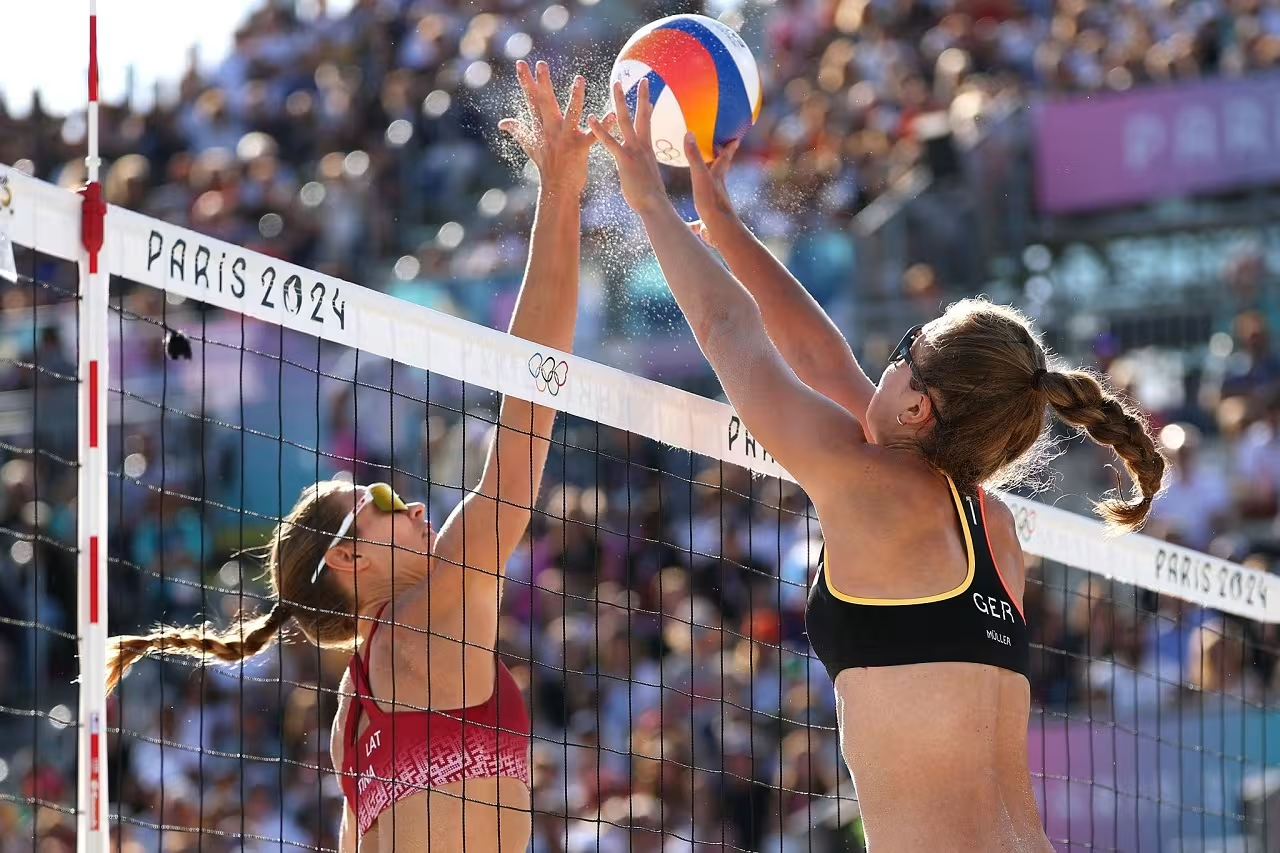
Women’s sports have historically been marketed differently from men’s sports. In some cases, organisers and sponsors have placed considerable emphasis on athletes’ appearance, clothing, and femininity alongside their sporting abilities.
This has influenced how certain women’s sports are presented to the public.
For example, beach volleyball has become particularly well known for its athletes’ traditional bikini-style uniforms.
However, it would be unfair to suggest that female athletes wear these outfits simply to attract male viewers. Many athletes genuinely prefer their chosen uniforms, and their clothing can also be influenced by sporting regulations, team traditions, sponsorship agreements, and personal comfort.
The important distinction is that marketing has sometimes influenced women’s sportswear beyond what is strictly necessary for athletic performance.
4. Different Uniform Rules in Different Sports
Another major reason is that sports have different uniform regulations for men and women.
These rules are often established by international sporting organisations, national federations, leagues, and tournament organisers.
Let’s look at some popular examples.
Tennis
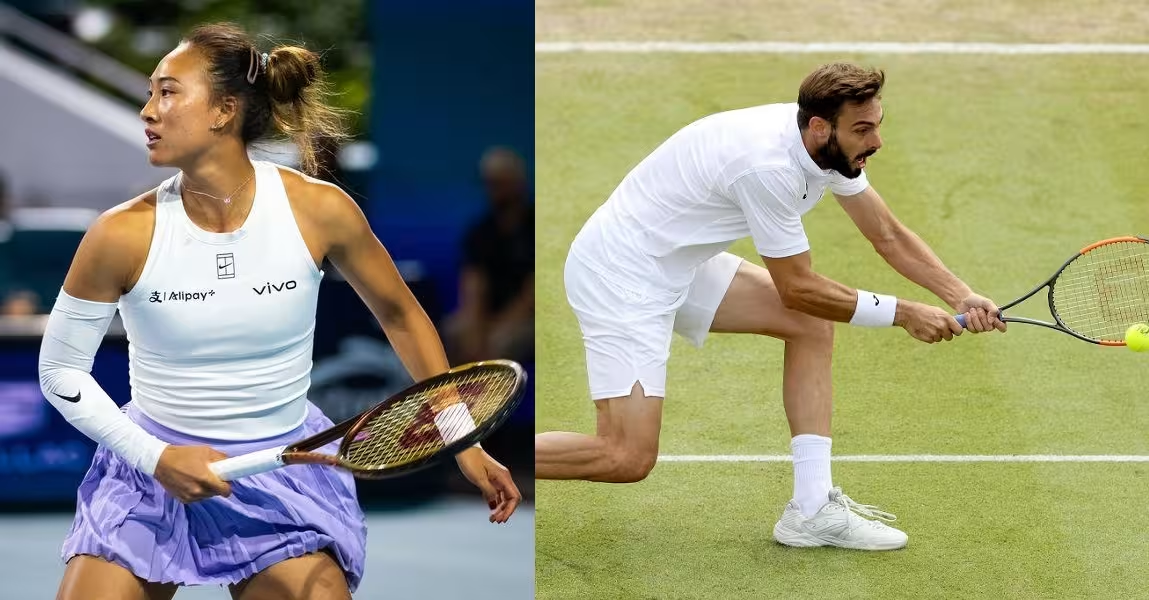
In professional tennis, women commonly wear skirts, dresses, or fitted shorts, while men generally wear shorts and shirts.
Women’s tennis skirts often come with built-in compression shorts underneath, providing coverage and allowing players to move comfortably.
Interestingly, tennis regulations do not require all women to wear skirts. Female players can choose different permitted designs, including shorts.
Some players have even challenged traditional expectations by wearing outfits that are different from conventional tennis fashion.
Volleyball
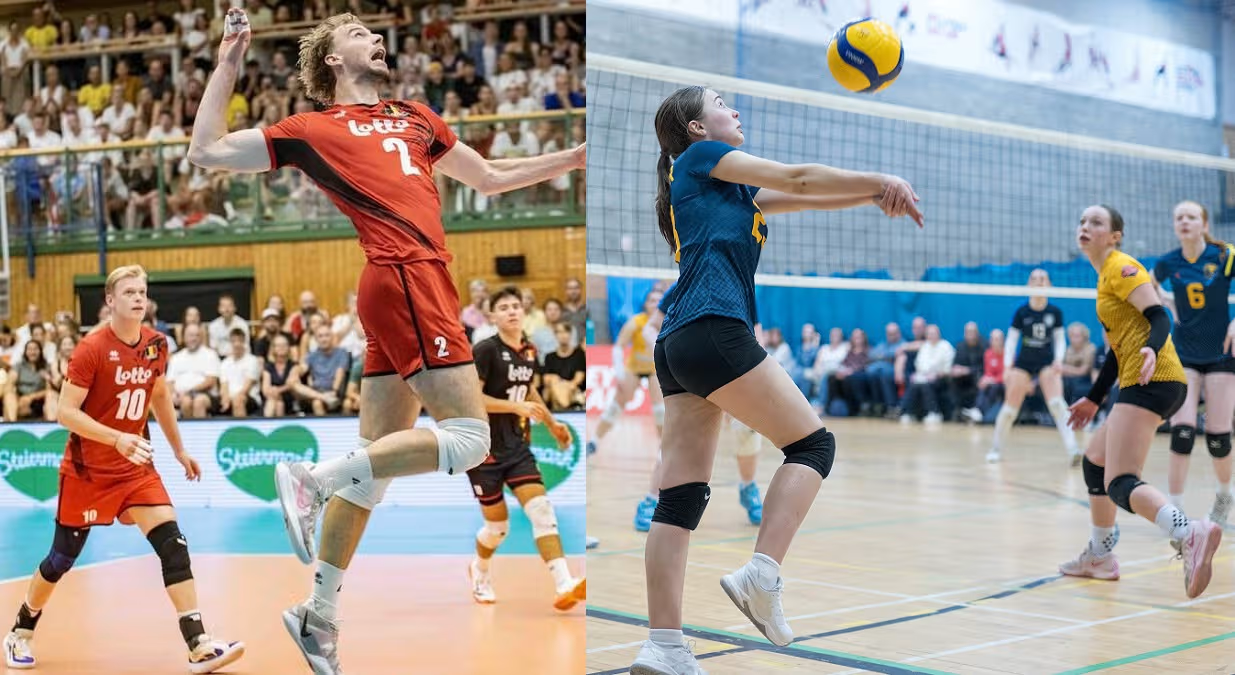
Volleyball provides another clear example.
Women’s indoor volleyball uniforms commonly include fitted shorts and sleeveless tops. Men’s uniforms usually feature longer shorts and sleeveless or short-sleeved shirts.
In beach volleyball, the difference has historically been even more noticeable.
Women have traditionally competed in bikini-style uniforms, while men usually wear longer shorts and sleeveless shirts.
However, modern beach volleyball regulations allow women to choose from different uniform options, including shorts and sleeved tops.
This is important because athletes should be able to compete in clothing that suits their comfort, preferences, and performance needs.
Golf


Golf has a particularly interesting relationship with fashion.
Female golfers often wear skirts, skorts, dresses, or fitted trousers, while male golfers commonly wear long trousers or knee-length shorts, depending on the tournament’s dress code.
In women’s golf, skirts and skorts have become an established part of the sport’s fashion culture.
Golf is also a sport where appearance, sponsorships, brand partnerships, and traditional dress codes play an important role.
The outfits are not necessarily designed to improve athletic performance. Much of the difference comes from the fashion culture surrounding the sport.
Basketball
Basketball is an interesting example because the difference is less about revealing clothing and more about uniform design.
Male basketball players traditionally wear relatively long, loose shorts and sleeveless jerseys.
Female basketball players generally wear shorter, more fitted shorts and jerseys.
The difference is partly connected to the evolution of basketball fashion, body proportions, comfort, and different uniform traditions.
Women’s basketball uniforms have also become more modern, with athletes having greater choices in fit and design.
5. Sponsorships and Sportswear Brands
Sportswear companies are another major influence.
Brands such as Nike, Adidas, Puma, and Under Armour design different collections for male and female athletes.
These companies are not simply producing uniforms. They are also selling sportswear to millions of ordinary consumers.
A popular female athlete wearing a particular style can influence fashion trends, increase brand visibility, and help sell similar products.
As a result, women’s sportswear is sometimes designed with a stronger fashion element.
This does not mean that every short uniform is a marketing decision. Many designs are developed around athletes’ feedback, performance requirements, and personal preferences.
Nevertheless, commercial interests have played a role in shaping the appearance of professional women’s sports.
6. Do Female Athletes Actually Prefer Shorter Clothes?

This is where things become more personal.
Not every female athlete has the same clothing preferences.
Some women prefer short skirts, fitted shorts, and sleeveless tops because they feel comfortable competing in them. Others prefer longer shorts, leggings, or more covered uniforms.
There are also athletes who have openly challenged traditional sportswear rules.
For example, German gymnast Sarah Voss attracted international attention at the 2021 European Artistic Gymnastics Championships when she competed in a full-body unitard rather than the traditional leotard.
Her decision helped bring attention to the importance of athletes having choices about what they wear.
Similarly, some female handball and beach volleyball players have raised concerns about uniform requirements they consider unnecessarily revealing.
These examples demonstrate that not every female athlete agrees with traditional sportswear expectations.
7. Is There a Double Standard Between Male and Female Athletes?
This is perhaps the biggest question behind the entire discussion.
Why are male athletes generally allowed to compete in loose, longer clothing, while women in some sports have historically been expected to wear tighter or shorter outfits?
There is no single explanation, but historical gender expectations have played a significant role.
For decades, women’s sports were promoted differently from men’s sports. Male athletes were more commonly presented as powerful competitors, while female athletes were sometimes expected to combine athletic ability with an attractive appearance.
This created different expectations around uniforms.
Today, however, attitudes are changing.
More female athletes are speaking openly about clothing choices, comfort, body confidence, and equality in sports. Sporting organisations are also gradually introducing more flexible uniform options.
The discussion is no longer simply about whether an outfit is short or long. It is about who gets to decide what athletes wear.
8. Does Wearing Shorter Clothing Improve Athletic Performance?
Not necessarily.
There is no universal scientific rule that shorter clothing makes female athletes perform better than longer clothing.
Performance depends on several factors, including:
- Freedom of movement.
- Fabric weight and breathability.
- Temperature regulation.
- Proper fit and support.
- The specific physical demands of the sport.
- An athlete’s personal comfort and confidence.
For example, lightweight clothing can help athletes stay cool in hot conditions. Compression garments may provide support and reduce clothing movement. But these benefits do not automatically require a skirt, bikini, or particularly short shorts.
A female volleyball player can perform exceptionally well in longer shorts, just as a male player can perform in shorter ones.
Ultimately, the best sportswear is clothing that allows an athlete to perform confidently and comfortably while meeting the sport’s rules.
Final Thoughts: Sport Should Be About Performance, Not Clothing
So, why do women in many sports wear shorter clothes than men?
The answer involves a mixture of history, fashion, comfort, sporting traditions, marketing, sponsorships, and gender expectations.
Some outfits genuinely suit athletes’ preferences and sporting requirements. Others are the result of traditions and commercial decisions that have developed over many decades.
But one thing is becoming increasingly clear: female athletes should have the same freedom as male athletes to choose clothing that makes them feel comfortable and confident.
Whether a tennis player prefers a traditional skirt, a basketball player chooses fitted shorts, or a volleyball player prefers a longer uniform, the focus should remain on what happens during the competition.
After all, fans tune in to watch extraordinary athletic performances, not to judge how much of an athlete’s body is covered by their uniform!